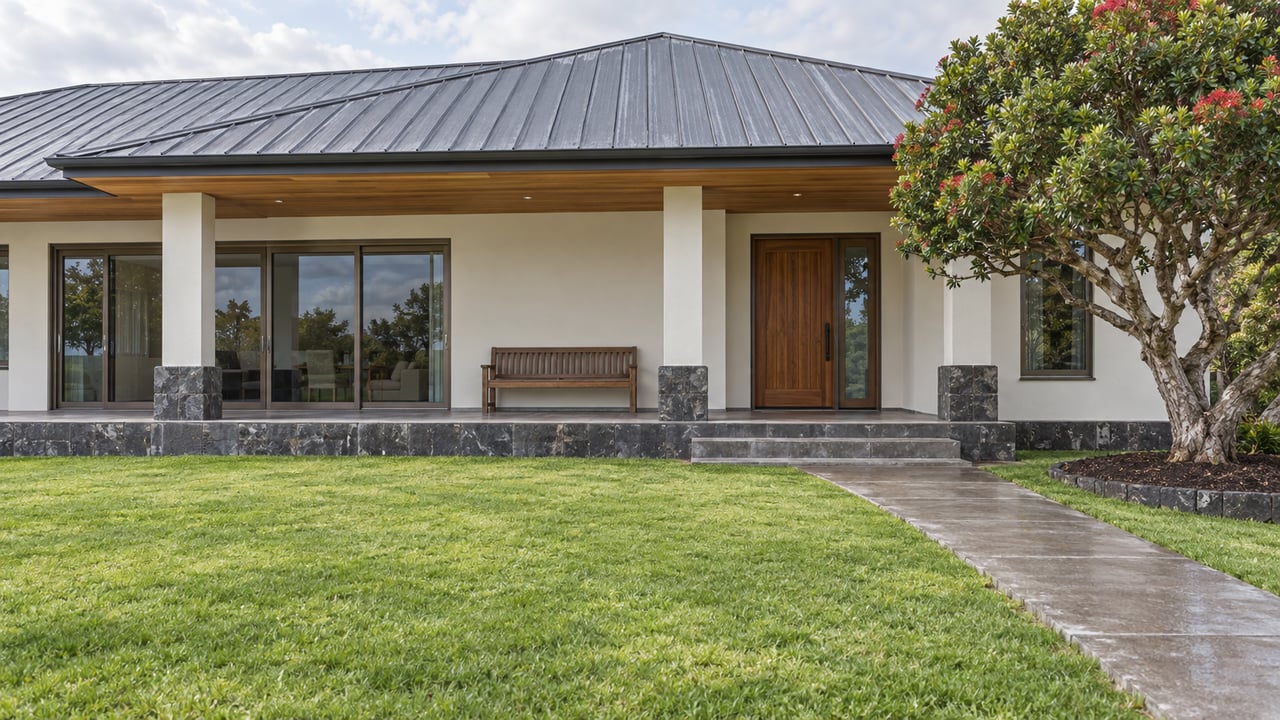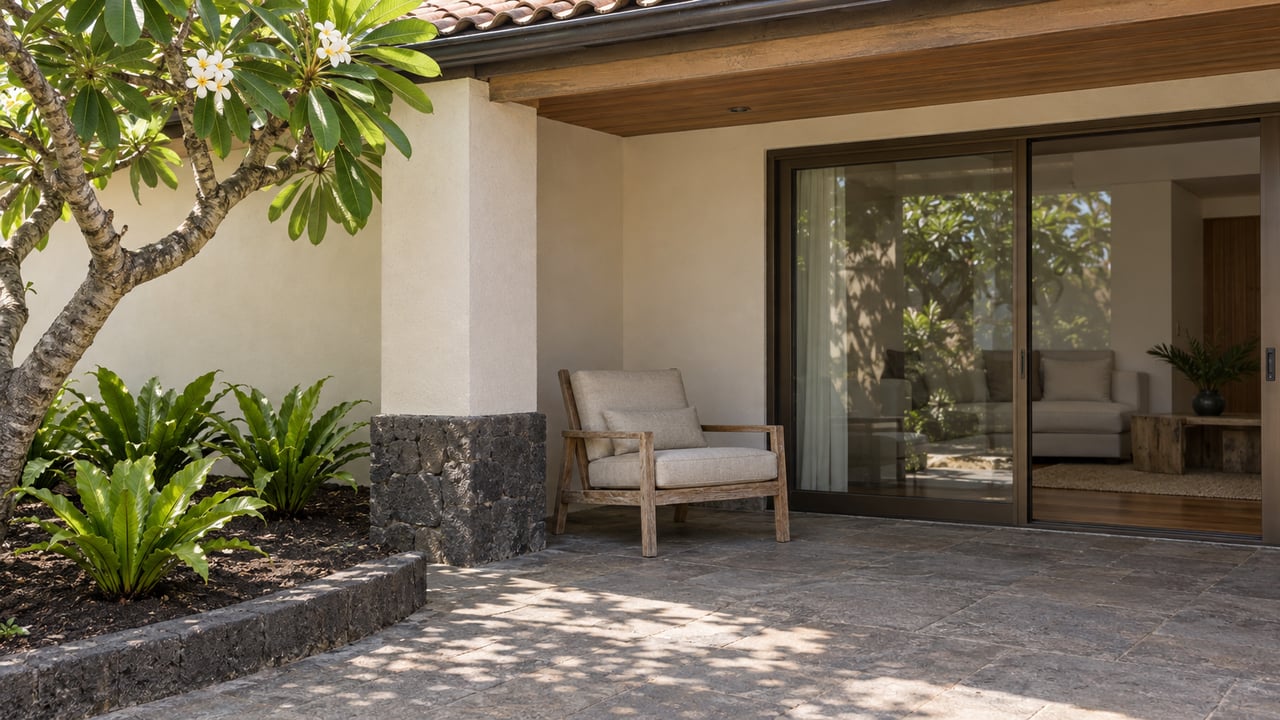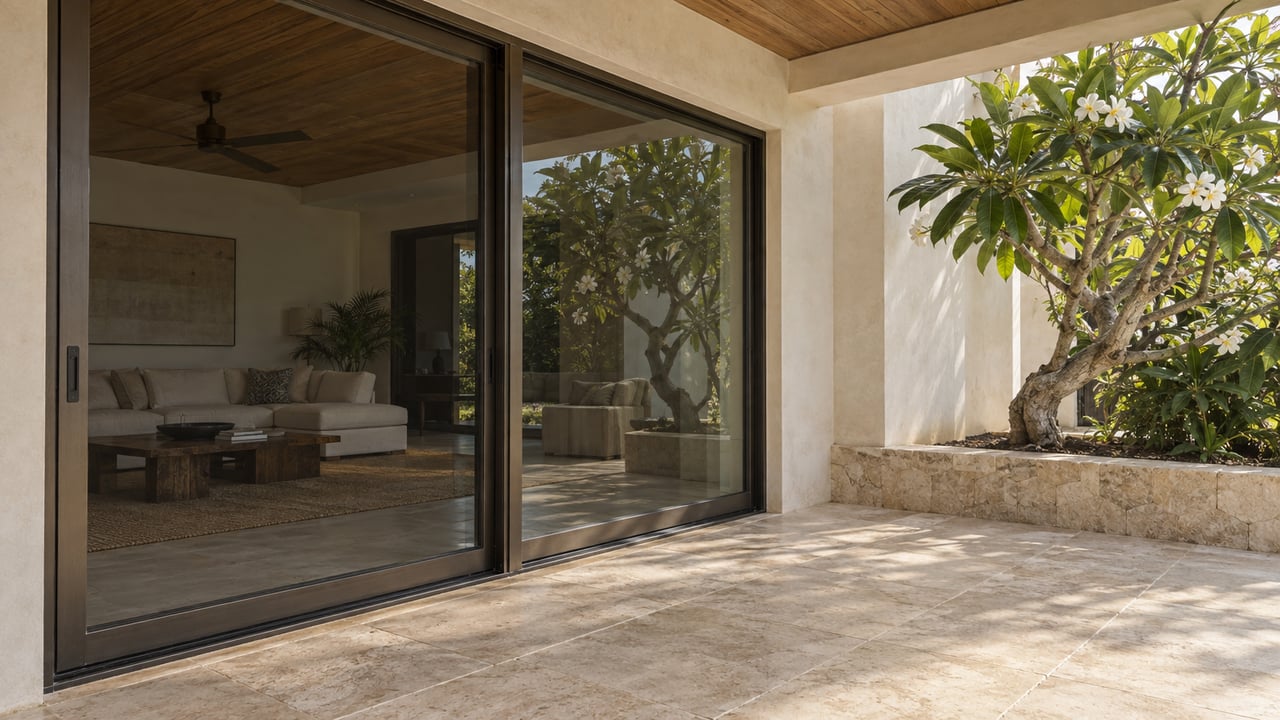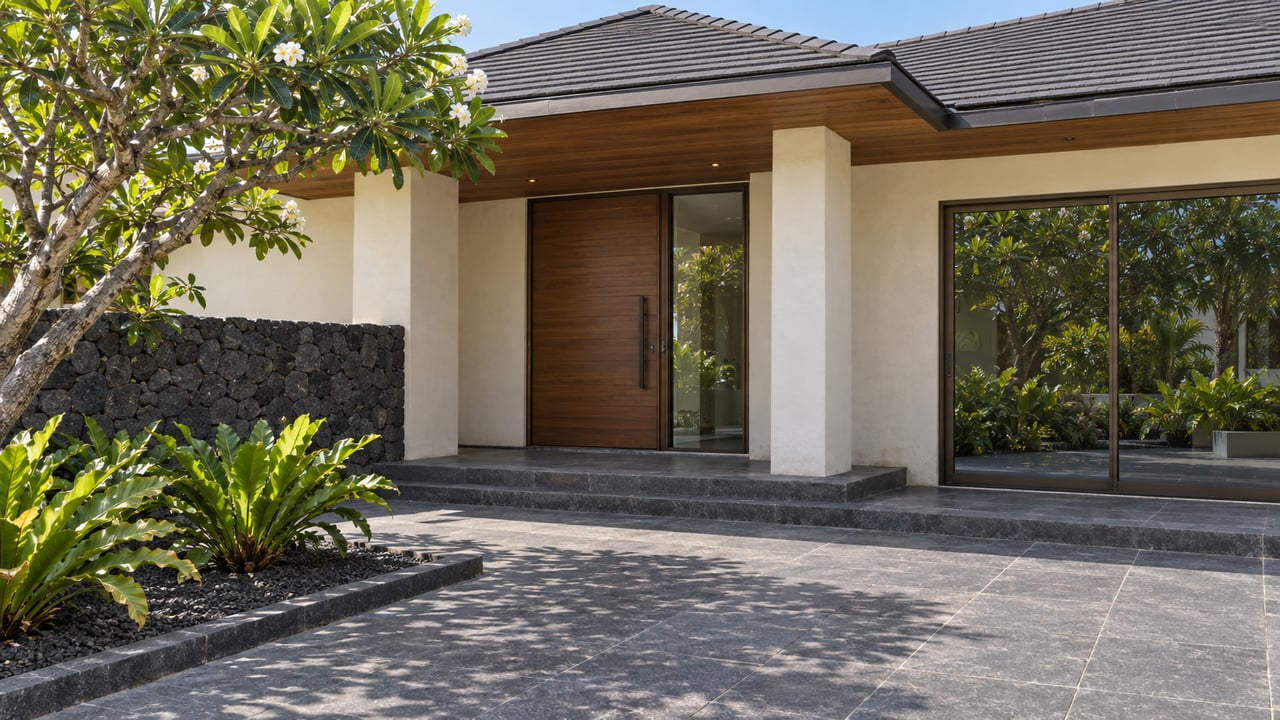
Hōkūliʻa had 15 sales in 2024, 12 of them vacant lots, according to its director of sales and marketing, as reported by Aloha State Daily. Two were finished homes and one was a pre-construction home. So most people who buy into this 1,260-acre community on the Kona Coast are buying a building project, not a house. That makes the property tax rules for the finished house more important than the bill on the lot. Big Island Now reports that, as of July 1, 2026, those rules include a new top rate for second homes above $4 million.
For a lot buyer, the price of the land sets the entry cost. The ongoing cost is set later, by how much house goes on the land and whether the owner lives in it.
A community still being built
In the same July 2025 interview, the sales director counted roughly 30 completed homes at Hōkūliʻa and another 26 in progress. She described a mix of buyers: second- and third-home owners, people moving from busier club communities around the state, and sub-developers building high-end spec homes.
Asking prices at the time show how wide the gap between land and finished homes can be. In Phase 1, Mahea Lani, Residence 116 was listed at $9.6 million: a 4-bedroom, pod-style home on 1.15 acres with 4,800 square feet of living space. Two nearby Phase 1 parcels were listed at $600,000 and $750,000. In Phase 2, Nalu Kai, a front-row lot was listed at $7,515,000 and a second-row lot at $4.8 million. These were July 2025 asking prices, not closed sales. Still, they show that a Hōkūliʻa owner can reach the $4 million mark through the land alone in Nalu Kai, or through the house anywhere in the community.
Why a lot's tax bill tells you little about the house
A current listing for a 1.04-acre oceanfront Phase 2 lot priced at $8 million shows an annual real estate tax of $379. Under Hawaiʻi County's FY 2026–27 rates, the Agricultural class is taxed at $9.35 per $1,000 of net taxable value. At that rate, a $379 bill implies a taxable value of about $40,000, which is a small fraction of the asking price. We could not check that parcel's assessment record, so treat the figure as an example, not a rule. It does show that the tax bill on a Hōkūliʻa lot can be very different from the bill on a finished home.
Some of that gap goes back to how the community was set up. Hōkūliʻa calls itself an agrihood: it is zoned for agricultural and residential use, and each homesite carries an agricultural easement. The project was proposed on state-classified agricultural land and was challenged in court. A state judge halted construction before the developer settled in 2006. That settlement required agriculture on lots and common areas while the project stayed in the Agricultural District, including planting on each lot before a home could be occupied while the developer controlled the association.
Agricultural zoning does not automatically mean agricultural tax treatment, though. County Code bases agricultural use on farming done "on a continuous and regular basis," shown by recurring planting, cultivation and harvest. The other path is dedicated land, which is restricted by a covenant signed with the County's director of finance. The County's agricultural value schedule assigns market value to land with no active agricultural or forestry use. The non-dedicated agricultural-use definition is scheduled to be repealed on January 1, 2028. Owners of parcels in the non-dedicated program also need a new application to keep the lower value for tax year 2027. The County extended that filing deadline to October 13, 2026, eight days from today.
For a buyer, this means the seller's current tax bill depends on the land's present use and program status. Neither one carries over automatically to the next owner, and neither tells you much about the bill once a house is assessed.
What Tier 3 changes for a finished home
Once a home is built, the County's rates apply to the net value of the buildings and the land together. A home the owner doesn't live in generally falls into the Residential class, and that class now has three tiers.
The Hawaiʻi County Council passed Bill 128 on final reading on March 4, 2026, by a vote of five to one with three members absent. Council Members Jennifer Kagiwada and James Hustace introduced it. Council Chair Holeka Inaba cast the only no vote. "I support their intention of it," he said. "I just think it's easier to increase the rate on tier two." Kagiwada said the new tier gives the County room for a more "kama'aina-centered" tax strategy. She said it applies to vacant properties, vacation homes, and second, third or fourth homes. Primary residences, affordable rentals and long-term rentals are excluded.
Lisa Miura, the County's Real Property Tax administrator, had estimated the tier would apply to 842 parcels, mostly in West Hawaiʻi, with a combined value of about $5.3 billion. The Council set the rates on May 21, 2026, with Resolution 574-26. The first $2 million stays at $11.10 per $1,000. The portion from $2 million to $4 million rose from $13.60 to $14.50. The portion above $4 million is taxed at $17.00. The rates apply to the combined value of land and buildings, and each rate applies only to its own band.
Here is an illustration only. Take one finished home with a net taxable value of $9.6 million, matching Residence 116's 2025 asking price, and run it through the FY 2026–27 County rate schedule. An actual assessment may differ from any list price, and the Homeowner line below doesn't include the homeowner exemption, which lowers taxable value.
| How the home is used | Tax class | FY 2026–27 rate | Illustrative annual tax on $9.6M |
|---|---|---|---|
| Second home or vacation home | Residential, tiered | $11.10 / $14.50 / $17.00 by band | About $146,400 |
| Same home taxed before the new tier, FY 2025–26 | Residential, two tiers | $11.10 / $13.60 | About $125,560 |
| Leased to one tenant for six months or longer | Long Term Rental | $7.75 | About $74,400 |
| Owner's primary residence | Homeowner | $5.75 | About $55,200 before exemption |
The Tier 3 band accounts for $95,200 of the second-home figure. The same house could owe less than half as much depending on how the owner uses it. That's why the plan for using the home matters as much as the floor plan.
According to Hawaiʻi Property Tax, the Homeowner class isn't automatic. The owner has to apply, and the program includes a 3% cap on assessment increases. The Long Term Rental class requires a lease to the same tenant for six consecutive months or more. Hōkūliʻa buyers include many second-home owners. For them, the useful number to plan around is the expected finished value of land plus house, compared against the $4 million line.
The build schedule decides when the new bill starts
The jump from the lot bill to the house bill happens at the end of a building process, and Hōkūliʻa lots add a step that lots on a sewer line don't have. The Phase 2 listings describe the homesites as graded with utilities at the frontage, and they also list private water and "Sewer Not Available." The County's new-home checklist says a building permit application may require an approval letter for an individual wastewater system.
The usual order of steps:
- A Hawaiʻi-licensed civil engineer evaluates the site, does or arranges the percolation test and survey, and submits the individual wastewater system plans and forms to the Department of Health.
- The DOH's formal review target is 45 working days, depending on staffing. It reports a historical average of about 10 days, but that is not a guarantee.
- The County Building Division reports an average of three months to approve a residential permit. The range runs from three weeks to one year, depending on how complete the application is, what other agencies require, and how long the queue is.
- After construction, the engineer submits final inspection and certification documents so DOH can approve the system for use.
The County's permit queue has been under review. An April 2025 audit by the County Auditor counted 15,575 application uploads against 11,134 permits issued in the EPIC system from July 26, 2021, through March 31, 2024. The audit recommended reforms such as a pilot of third-party plan review.
One 2025 state change helps with pod-style designs like Residence 116, which uses separate structures for bedrooms, living areas and the kitchen. Act 224, signed June 25, 2025, allows a single wastewater system to serve up to five bedrooms regardless of how many dwellings, dwelling units or accessory units there are. The law does not cover new requests to add units to an existing cesspool, which isn't an issue for a new build on a vacant lot. For a lot buyer, that brings the bedroom count, the layout and the wastewater design into the same early conversation.
Questions lot buyers ask
Does Tier 3 apply to a vacant lot? It can. Council members said the tier covers vacant properties, and it applies to Residential-class value above $4 million. According to the County's 2026 tax insert, whether a particular Hōkūliʻa parcel is classed Residential or Agricultural is listed on its assessment notice under "Land Classification," and that classification determines the rate.
If I plan to live in the home full time, when should I file? A homeowner application received by December 31, 2026 starts its benefits on July 1, 2027. The June 30, 2026 cutoff for a January 1, 2027 start has already passed.
Where does Tier 3 revenue go? Bill 128 doesn't say. Tier 2 is different: at least 75% of its revenue goes to County housing and homelessness programs through June 30, 2027.
This post explains how the County system works. It isn't tax advice. For questions about a specific parcel, contact the Hawaiʻi County Real Property Tax Office.
If you're comparing Hōkūliʻa homesites, Lovette Llantos can help you look past the asking price before you write an offer. We'll check each lot's current classification and program status, and set your build budget against the County's tax tiers. Start with a free valuation, and let's plan the home you'll love owning.