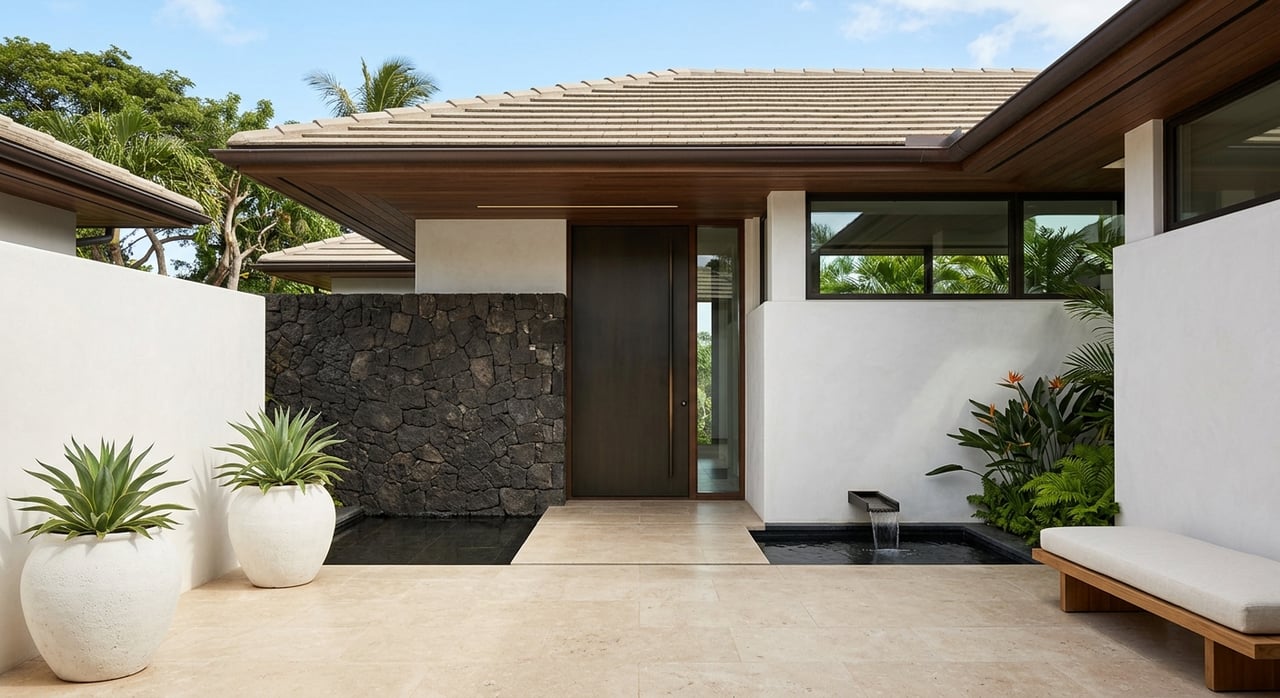
What makes one luxury resort community keep drawing buyers back year after year, even as markets shift? In Mauna Kea, the answer goes beyond beautiful homes and ocean views. You are looking at a place shaped by legacy, limited supply, and a lifestyle that many families want to return to for generations. If you are considering buying or selling here, understanding those long-term drivers can help you make a smarter move. Let’s dive in.
Mauna Kea Starts With Legacy
Mauna Kea Resort has a rare kind of staying power because its identity is rooted in history and continued reinvestment. Developed by Laurance S. Rockefeller, the hotel opened in 1965 and became an early icon of resort living on Hawaiʻi Island. Today, it is also recognized as a Historic Hotels of America member, which adds to its long-established brand presence.
That legacy is not standing still. In February 2026, the resort announced a nearly $240 million transformation and said the hotel was fully open again. For you as a buyer or seller, that matters because major reinvestment helps an established resort stay relevant, polished, and competitive over time.
Family Continuity Adds Emotional Value
Some resort communities feel seasonal. Mauna Kea feels generational. The resort describes a pattern of families returning again and again, with children who once spent time at Kauna‘oa Bay and Hāpuna Beach later returning with children and grandchildren of their own.
That kind of continuity gives the community a deeper pull. When you buy in Mauna Kea, you are not just buying square footage or a view. You are buying into a setting where family rituals, repeat visits, and shared memories are part of the long-term appeal.
Amenities Support Lasting Demand
Luxury buyers often look for more than a home. They want a complete experience, and Mauna Kea delivers one of the deeper amenity offerings on the Kohala Coast. That broad lifestyle package is a major reason the community continues to attract interest.
The resort’s Beach Club includes complimentary stand-up paddleboards, ocean kayaks, snorkel gear, fins, and body boards. Residents and guests also have access to white sand beaches, swimming pools, fitness centers, restaurants, and two spas.
For active owners, the Seaside Racquet Club adds nine oceanfront tennis courts and eight pickleball courts. That range matters because it widens the buyer pool. Some people come for the beach, some for golf, and others for a full resort lifestyle that supports both relaxation and activity.
Golf Strengthens the Resort Identity
Golf is another core reason Mauna Kea holds its appeal. The Mauna Kea Golf Course is described by the resort as Hawaiʻi Island’s first resort golf course, and it recently underwent an extensive renovation guided by Robert Trent Jones Jr. The resort also features the Hapuna Golf Course, giving owners access to a two-course golf offering.
For buyers, that creates more than recreation. It adds another layer of prestige and daily-use value, especially for those who want a home in a community where golf is woven into the overall lifestyle.
Property Variety Expands Buyer Appeal
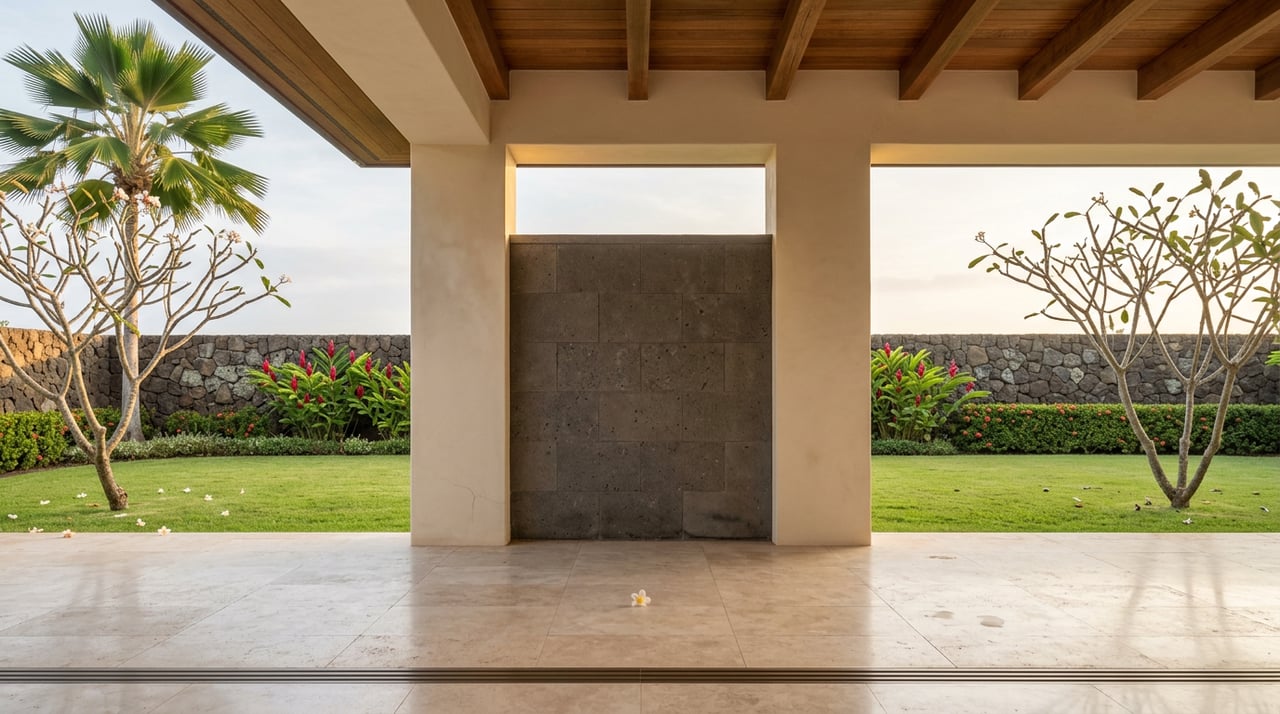
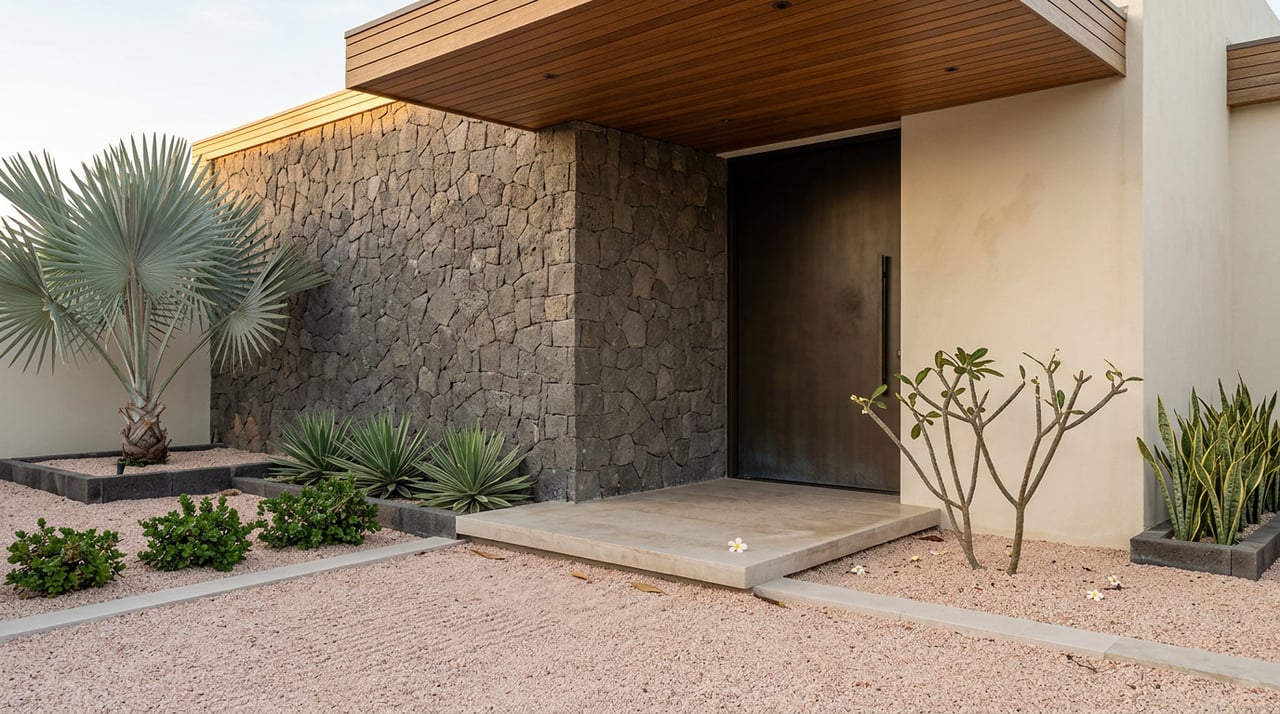
One of Mauna Kea’s strengths is that it is not limited to a single housing type. Instead, it offers a mix of residences that appeal to different goals, preferences, and ownership styles. That variety can support long-term demand because buyers are not all looking for the exact same product.
Some of the resort’s residential options include:
- Kauna‘oa, an oceanfront community with only 30 private residences above Kauna‘oa Bay
- High Bluffs, a gated enclave at an elevated position overlooking the coastline
- The Bluffs, estate settings known for coastal outlooks and a strong sense of place
- Hapuna Estates, newer five-bedroom homes with golf-front and ocean-view positions plus private pools
- Fairways South and Fairways North, which support indoor-outdoor resort living
- Amaui Villas, located on the golf course with ocean views
- Wai‘ula‘ula and Kumulani, which add ocean-view condo options in the Uplands
This matters because a broader mix of homes can support interest from multigenerational households, second-home owners, and buyers who want either a lock-and-leave condo or a larger estate-style residence.
Limited Supply Shapes the Market
Scarcity is a major part of Mauna Kea’s long-term appeal. The resort states that the hotel shares 1,839 acres of oceanfront property with The Westin Hapuna Beach Resort and Mauna Kea Residences. Within that footprint, there are only so many true oceanfront, bluff-front, golf-front, and elevated ocean-view opportunities.
That limited supply helps explain why Mauna Kea often behaves differently from a larger, more uniform subdivision. It is a segmented luxury market where specific locations and property types can carry strong interest because they are hard to replicate. That does not guarantee appreciation, but it does support the idea that scarcity matters here.
Resale Activity Shows Selective Strength
If you are trying to understand long-term appeal, resale behavior offers important clues. A 2025 year-end market recap reported 30 closed sales at Mauna Kea Resort, about $159 million in volume, and a $6.81 million average sale price. The same recap noted that transaction counts were down from the 2021 and 2022 surge, while average sale price rose sharply year over year.
Historical data in that recap shows 59 sales in 2020, 72 in 2021, 65 in 2022, 20 in 2023, 33 in 2024, and 30 in 2025. Over that same span, the average sale price moved from $3.06 million in 2020 to $6.81 million in 2025. That pattern suggests a market with durability and selectivity, not one driven by constant volume.
Another important detail is how thin and segmented the resale market can be. Some sub-communities had no sales in the period reviewed, while others had only a few. For you, that means each property should be evaluated on its own merits, with close attention to location, views, condition, and amenity access.
South Kohala Data Adds Context
The broader South Kohala market also helps frame Mauna Kea’s position. In May 2026, the West Hawaiʻi Association of REALTORS reported a South Kohala median home price of $1.1 million, up 32.69% year over year, with 10 home sales that month. It also reported a South Kohala condo median price of $876,000 and 14 condo sales.
While Mauna Kea sits in a more rarefied segment, these numbers show that the wider market remains active. The 2025 recap also noted ongoing sales above $3 million and $10 million in South Kohala, which supports the idea that the ultra-luxury buyer pool is still participating even when sales counts are uneven.
Buyers Often Choose Mauna Kea for Lifestyle
Mauna Kea tends to attract buyers who are motivated by how they want to live, gather, and spend time. Based on the resort’s own descriptions and amenities, three buyer profiles stand out.
First are multigenerational families who want a place that works for shared vacations and long-term family use. Second are affluent second-home owners who want a complete resort environment with beach, golf, dining, wellness, and recreation. Third are trophy-property buyers focused on scarce settings like oceanfront, bluff-front, or prime golf-front positions.
If you are buying, it helps to think beyond the headline features. The right home for you may depend on whether you value walkability to the beach, privacy, golf frontage, elevation, or ease of ownership.
Sellers Need a Precise Story
If you are selling in Mauna Kea, generic luxury marketing is usually not enough. In a selective market, buyers tend to respond to the homes that feel best-in-class and are priced with care. The 2025 recap emphasized that accurate pricing is especially important and that mispriced or less desirable properties may take longer to sell.
That is why property-level positioning matters so much. A strong Mauna Kea marketing strategy should focus on details such as view corridor, frontage type, renovation quality, amenity access, and the overall lifestyle experience the property offers.
For sellers, this is where white-glove guidance can make a real difference. A polished launch, clear pricing strategy, and a narrative tailored to the exact residence can help your property stand out in a market where buyers are highly selective.
Vacation Rental Plans Require Diligence
Some buyers explore Mauna Kea with vacation rental use in mind. If that is part of your plan, due diligence is essential. Hawaiʻi County’s Planning Department states that Bill 108 regulates short-term vacation rentals on Hawaiʻi Island, defines where they are allowed, and provides a path for some existing nonconforming uses to apply for certificates.
That means you should review zoning, HOA rules, and permit history on a parcel-by-parcel basis before making assumptions about rental use. In a resort market, that step is not optional. It is part of making a well-informed purchase.
Why Long-Term Appeal Still Matters
Mauna Kea Resort homes continue to hold long-term appeal because they offer a combination that is hard to duplicate. You have legacy, continued reinvestment, a deep amenity stack, multiple residential choices, and a limited supply of prime coastal settings. Just as important, you have a buyer pool that often values lifestyle and family continuity as much as the real estate itself.
For buyers, that can mean owning in a place with staying power and meaningful personal use. For sellers, it means your home may benefit from a market story built on scarcity, identity, and quality, as long as the pricing and presentation are right.
If you want thoughtful guidance on buying or selling in Mauna Kea, connect with Lovette Llantos for local insight, strategic advice, and white-glove support tailored to Hawaiʻi Island’s luxury resort market.
FAQs
Why do Mauna Kea Resort homes have long-term appeal?
- Mauna Kea combines historic brand identity, continued resort reinvestment, extensive amenities, limited prime homesites, and a buyer base drawn to lifestyle and family continuity.
What types of homes are available in Mauna Kea Resort?
- The resort includes oceanfront residences, bluff and golf-front homes, gated enclaves, villa-style properties, and ocean-view condo options in communities such as Kauna‘oa, High Bluffs, Hapuna Estates, Amaui Villas, Wai‘ula‘ula, and Kumulani.
What amenities support Mauna Kea real estate demand?
- Key amenities include white sand beaches, beach equipment access, pools, fitness centers, restaurants, two spas, oceanfront tennis courts, pickleball courts, and two golf courses.
Is Mauna Kea a high-volume resale market?
- No. The market tends to be thin and segmented, with relatively few sales in some sub-communities, which is one reason property-specific analysis is so important.
What should buyers check before using a Mauna Kea home as a vacation rental?
- Buyers should verify Hawaiʻi County short-term vacation rental rules, along with HOA restrictions and the property’s permit history, because rental use may vary by parcel.
What should sellers highlight when listing a Mauna Kea property?
- Sellers should focus on the home’s specific advantages, such as view corridor, frontage type, renovation quality, amenity access, and overall resort lifestyle value, supported by accurate pricing.