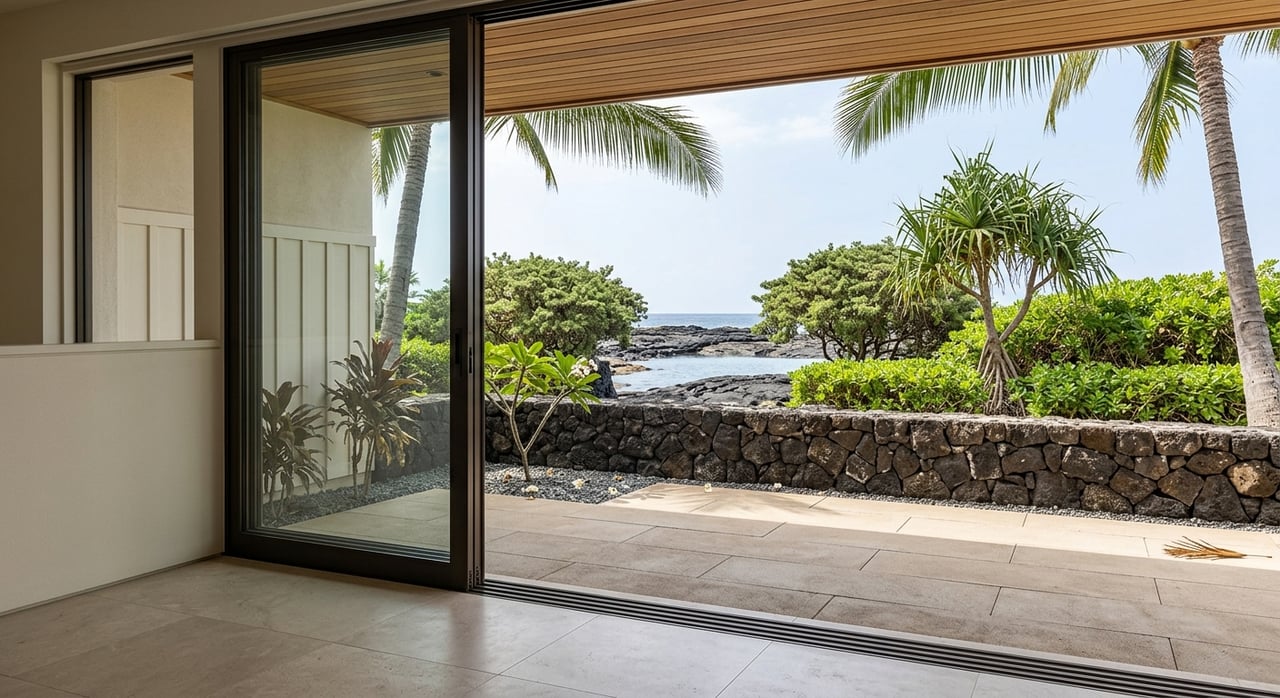
If you picture Big Island beachfront living as a busy resort scene, Puako may surprise you. This shoreline community offers something harder to find on the Kohala Coast: a low-density residential setting with deep roots, direct ocean access, and a character that still feels distinctly local. If you are exploring Puako real estate, this guide will help you understand what makes the area special, how it differs from nearby resort neighborhoods, and what to know before you buy. Let’s dive in.
Why Puako Feels Different
Puako sits on the northwest coast of Hawaiʻi Island in South Kohala, just north of the Mauna Lani corridor. County planning documents describe it as a small coastal village, not a resort district, and that distinction shapes almost everything about daily life here.
Unlike nearby areas such as Mauna Lani, Mauna Kea, and Waikoloa, Puako is primarily residential. Those neighboring communities are known for hotels, shops, restaurants, and larger resort residential developments, while Puako remains centered on single-family homes along Puako Beach Drive.
That lower-density layout gives Puako a quieter, more grounded feel. County planning materials also note that there is little room for major new development within the core community, which helps preserve the area’s long-standing shoreline village character.
A Residential Coastline, Not a Resort Strip
One of the clearest ways to understand Puako is this: it is a neighborhood first. You are not stepping into a master-planned resort environment with commercial activity at every turn. Instead, you are entering a coastal corridor where homes, reef access, and daily routines define the experience.
The county also identifies the Puako Store as a central meeting place and information hub. That small detail says a lot about the area. Life in Puako tends to revolve around community touchpoints and shoreline access rather than hotel amenities.
Puako’s Oceanfront Lifestyle
For many buyers, the shoreline is the main draw. Puako Beach Drive runs along a coast known for small white-sand beaches, extensive tide pools, and multiple public access points. According to Hawaiʻi County’s shoreline access inventory, there are 12 separate access points along the road.
That means beachfront living in Puako is not just about views from home. It is also about a highly connected coastal lifestyle where walking to the shoreline, exploring tide pools, and enjoying ocean recreation can be part of your day-to-day rhythm.
What You Can Expect Along the Shore
The county identifies this stretch of coast as supporting:
- Walking
- Swimming
- Fishing, with restrictions
- Kayaking
- Surfing
Puako is also part of a broader South Kohala coastal network. The area sits between Waialea Bay and Hapuna to the north and Paniau, Holoholokai, and Mauna Lani to the south, giving you access to both neighborhood shoreline spots and destination beaches nearby.
Important Shoreline Conditions to Know
As beautiful as Puako’s coast is, it is important to understand that shoreline conditions can change quickly. The county notes that South Kohala coastal areas may experience seasonal high surf, strong currents, slippery rocks, and hazardous shorebreak.
If you are considering a home here, that matters. Part of owning or buying near the water is appreciating both the lifestyle benefits and the practical realities of the coastline.
Old Hawaiʻi Roots Still Shape Puako
Puako’s appeal is not only visual. It is also historical. County history materials trace the area’s long relationship with fishing villages and reef use, showing that this shoreline has been important for generations.
In 1895, the Puako Sugar Plantation was established here with a mill, wharf, and one-mile railroad. After flooding and salt damage, the plantation closed roughly a decade and a half later, leaving only a small number of families in the area.
That history helps explain why Puako still feels unlike many purpose-built resort communities. Its identity was shaped over time, not created all at once.
Cultural Landmarks Add Depth
County planning documents identify two especially notable cultural resources in and around Puako:
- Hokuloa Church, which dates to 1858
- The Puako Petroglyph Field, described by the county as the largest in the state with about 3,000 symbols
These features reinforce that Puako is more than a scenic oceanfront address. It is a place with visible cultural and historical layers that still influence how the community is understood and preserved today.
The Housing Mix: Cottages and Modern Homes
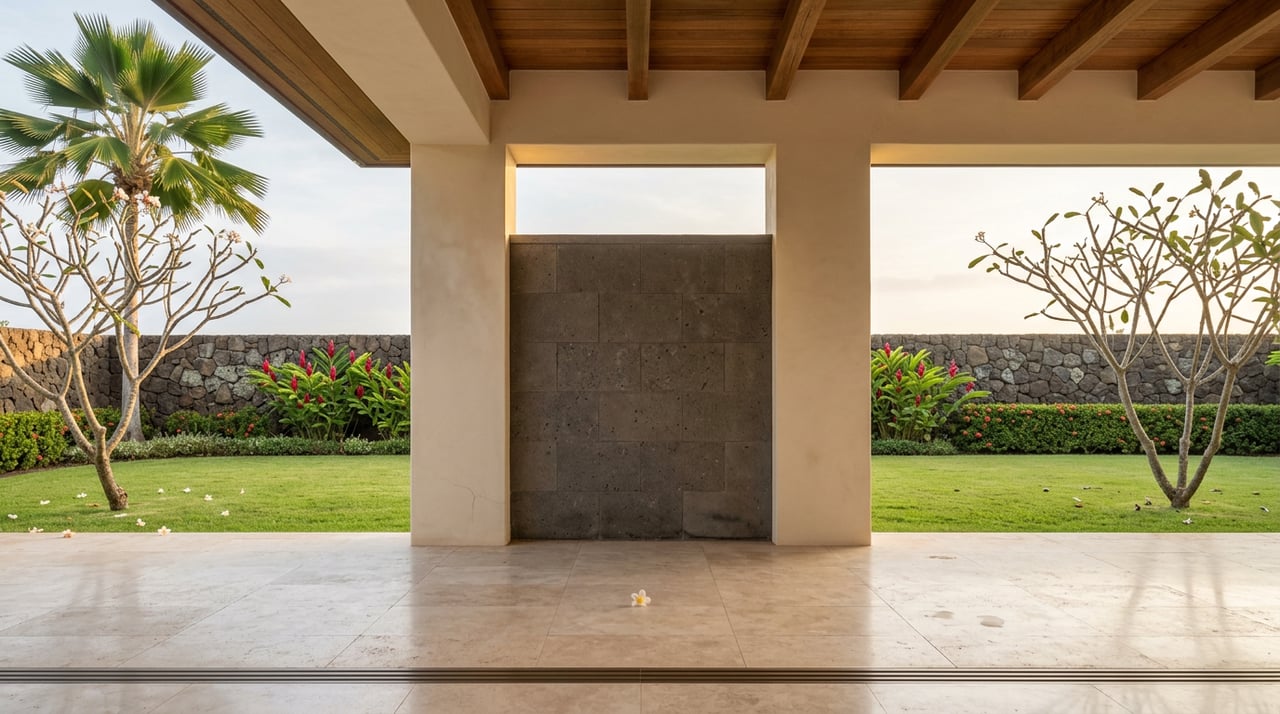
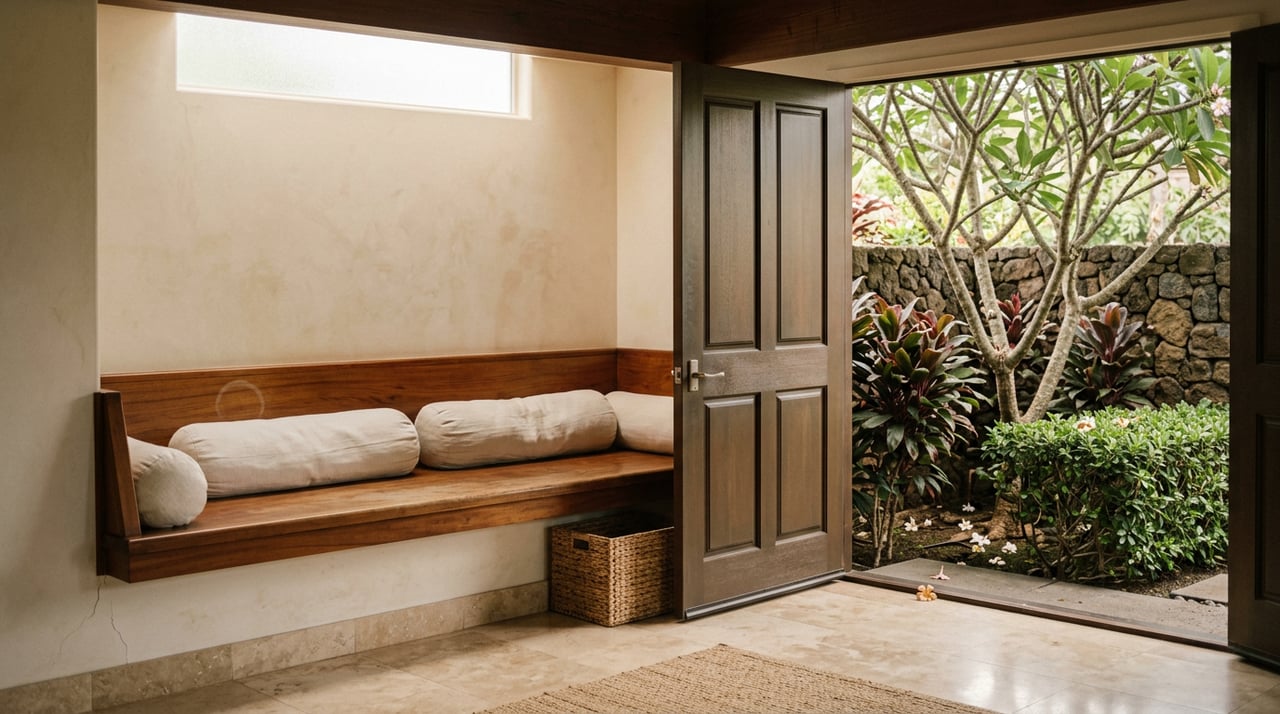
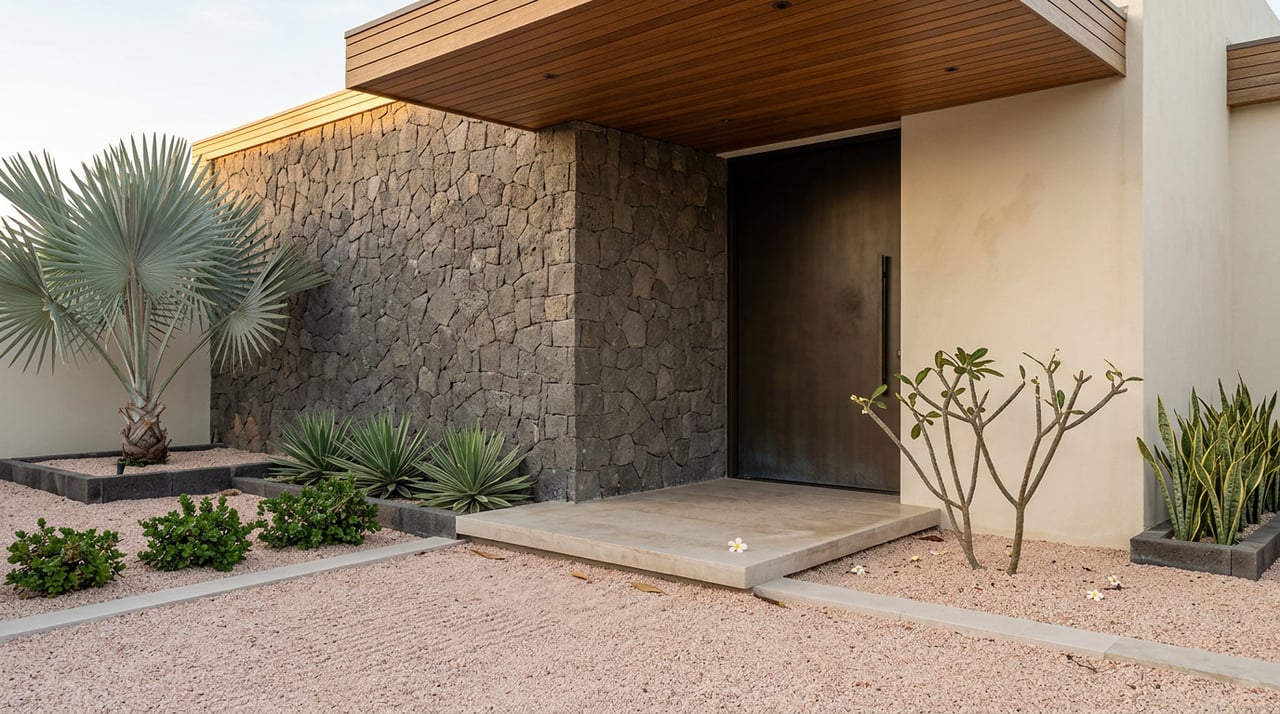
The phrase “Old Hawaii charm and modern homes” fits Puako because the housing stock reflects both. Planning and wildfire-related county materials describe a mix of older cottages and newer, much larger homes.
For buyers, that creates an appealing range of possibilities. Some properties speak more to Puako’s earlier shoreline character, while others offer a more updated luxury experience with larger footprints and contemporary finishes.
What Buyers Often Appreciate
Puako’s housing mix stands out because it combines:
- A long-established residential setting
- Direct connection to the shoreline
- A lower-density streetscape
- A blend of legacy homes and newer luxury residences
That combination is increasingly hard to find in coastal markets where large-scale redevelopment often changes the feel of an area. In Puako, the neighborhood’s planning vision has consistently emphasized preserving historical integrity and avoiding the kind of multi-story, resort-related, and multifamily development that would alter its core character.
How Puako Compares to Nearby Resort Areas
If you are deciding between Puako and other Kohala Coast options, the key difference is lifestyle format. Puako is a small residential village. Nearby communities like Waikoloa, Mauna Lani, and Mauna Kea are larger resort nodes with more commercial and hospitality infrastructure.
Neither setting is automatically better. It simply depends on what kind of ownership experience you want. If you value a more local, shoreline-neighborhood atmosphere, Puako may feel like the right fit. If you want a more amenity-rich resort environment, a different area may be a better match.
A Quick Comparison
| Area Feel | Puako | Nearby Resort Nodes |
|---|---|---|
| Primary character | Residential shoreline village | Resort-centered communities |
| Development pattern | Mainly single-family homes | Hotels, shops, restaurants, and resort residences |
| Daily rhythm | Beach access and community routines | Amenity and hospitality oriented |
| Overall feel | Low-density and less commercial | Larger-scale and more commercial |
Everyday Life in Puako
Daily life in Puako tends to be shaped by the coast itself. You see that in the access points, the tide pools, the reef frontage, and the shoreline trails. You also see it in how the county describes the area as tied to both the oceanfront coral reef system and the dry kiawe forest inland.
That contrast gives Puako a striking sense of place. The neighborhood is not manicured in the same way as a resort enclave. Instead, it feels connected to natural systems, local access routes, and a simpler pattern of coastal living.
Trails, Reef Areas, and Recreation
State information on the Ala Kahakai Trail adds another layer to Puako’s lifestyle appeal. The trail can be accessed from the Puako Boat Ramp area and follows historic routes including ancient fishermen’s trails and Hawaiian Kingdom roads. It also connects toward the Malama Trail and the Puako petroglyph field near Holoholokai.
At the same time, buyers should know that some trail sections are signed while others may be eroded or steep. This is part of Puako’s real character: beautiful, historic, and connected to the land, but not overly polished.
A Note on the Boat Ramp
Many people ask whether you can launch a boat in Puako. There is a state-managed small boat ramp in the community, but the latest Department of Land and Natural Resources update says the Puako Ramp is closed until further notice because of storm damage.
That is a good example of why local detail matters when evaluating a beachfront area. Access features can be a real benefit, but their status can change, and it is wise to confirm current conditions when visiting or buying.
Why Puako Appeals to Luxury Buyers
Puako attracts buyers who want oceanfront or near-oceanfront living with a more private residential feel. Rather than centering your lifestyle around resort amenities, you are buying into a shoreline setting with history, access, and a distinct sense of place.
For luxury and second-home buyers, that can be especially compelling. You get a rare mix of natural beauty, limited density, and a neighborhood identity that has held onto its roots even as newer homes have elevated the market.
What to Look For When Exploring Puako Real Estate
As you evaluate homes in Puako, consider:
- How close the property sits to shoreline access points
- Whether the home reflects older cottage character or newer luxury design
- Your comfort with a more residential, less commercial setting
- The practical realities of oceanfront conditions and coastal access
- How Puako’s lifestyle compares with nearby resort communities
These are not small details. They shape your day-to-day experience and help determine whether Puako is the right fit for your goals on the Big Island.
If you are thinking about buying or selling in Puako, working with a knowledgeable local advisor can make all the difference. From understanding the neighborhood’s unique housing mix to evaluating lifestyle fit along the Kohala Coast, Lovette Llantos offers polished, high-touch guidance rooted in real Big Island market knowledge.
FAQs
What is Puako on the Big Island like for homebuyers?
- Puako is a low-density residential shoreline village in South Kohala with single-family homes, reef frontage, tide pools, and a quieter feel than nearby resort communities.
How is Puako different from Waikoloa or Mauna Lani?
- Puako is primarily residential and less commercial, while Waikoloa, Mauna Lani, and other nearby resort areas are larger nodes built around hotels, shops, restaurants, and resort residential units.
Does Puako have beach access for residents and visitors?
- Yes. Hawaiʻi County identifies 12 shoreline access points along Puako Beach Drive, with access to small beaches, tide pools, and coastal recreation areas.
What types of homes are found in Puako real estate?
- County materials describe a mix of older cottages and newer, larger homes, which gives Puako a blend of historic shoreline charm and modern residential appeal.
Is Puako a beach park or a neighborhood?
- Puako is primarily a residential neighborhood with multiple public shoreline access points, not a single centralized beach park.
Can you use the Puako boat ramp today?
- The state has reported that the Puako Ramp is closed until further notice because of storm damage, so it is important to verify current status before making plans.
What should buyers know about Puako shoreline conditions?
- County shoreline information notes that conditions can include seasonal high surf, strong currents, slippery rocks, and hazardous shorebreak, so checking conditions is important before heading out.
Are there historic sites near Puako homes?
- Yes. County planning materials identify Hokuloa Church and the Puako Petroglyph Field as important cultural resources connected to the area’s history.