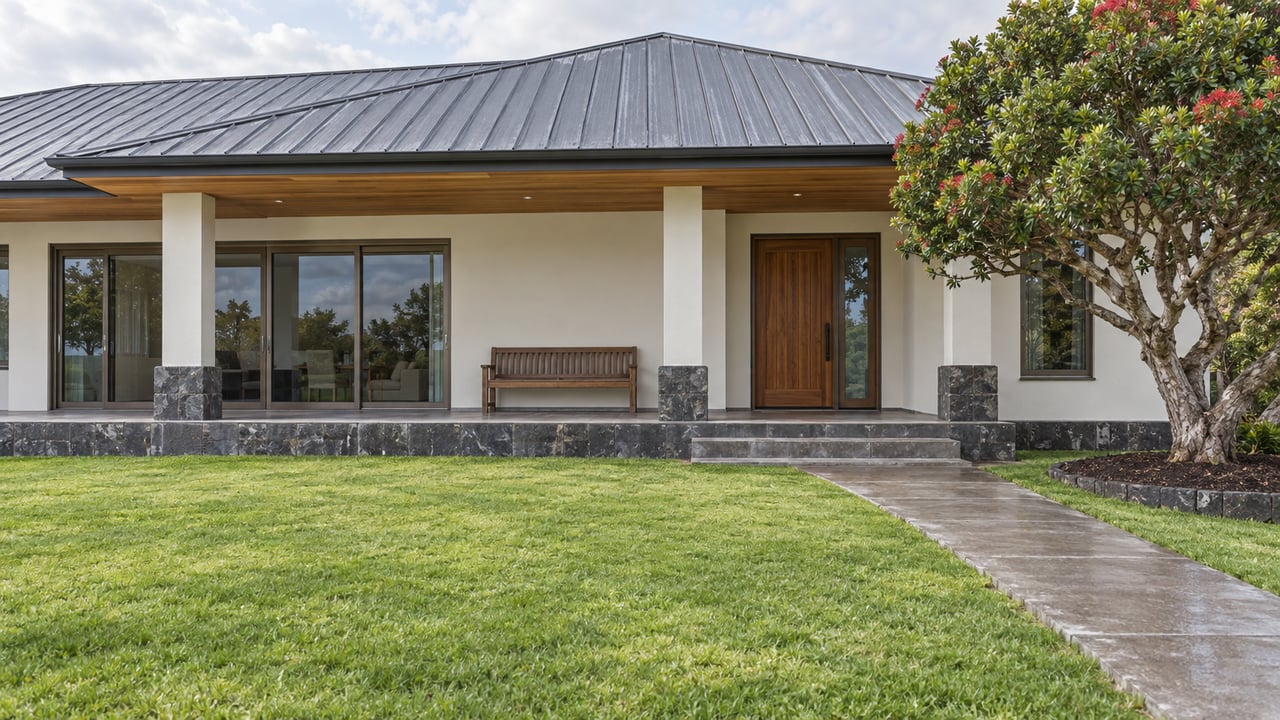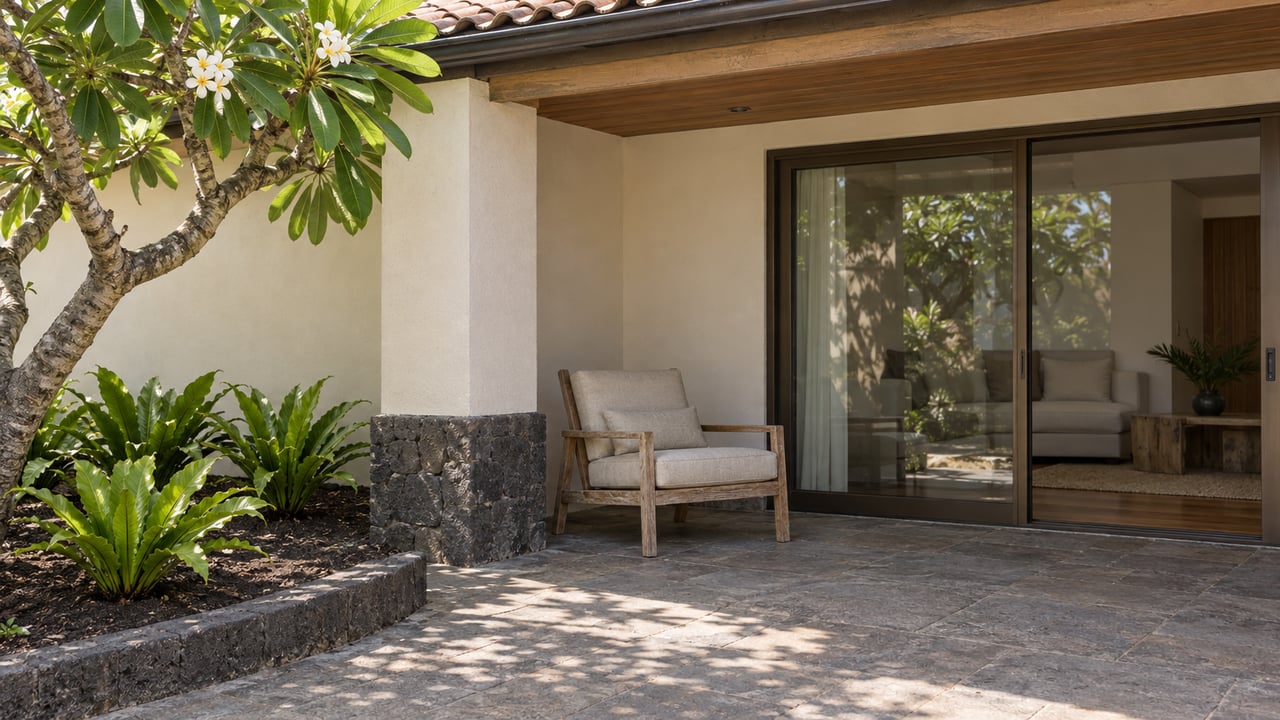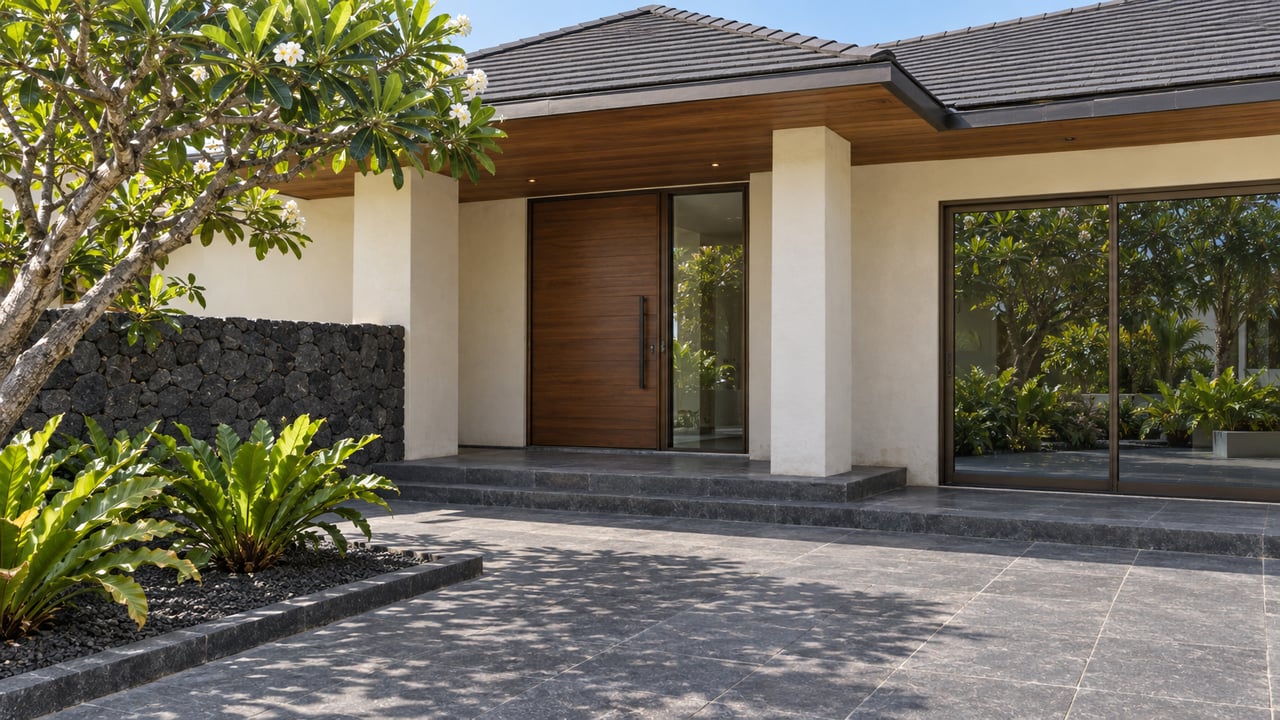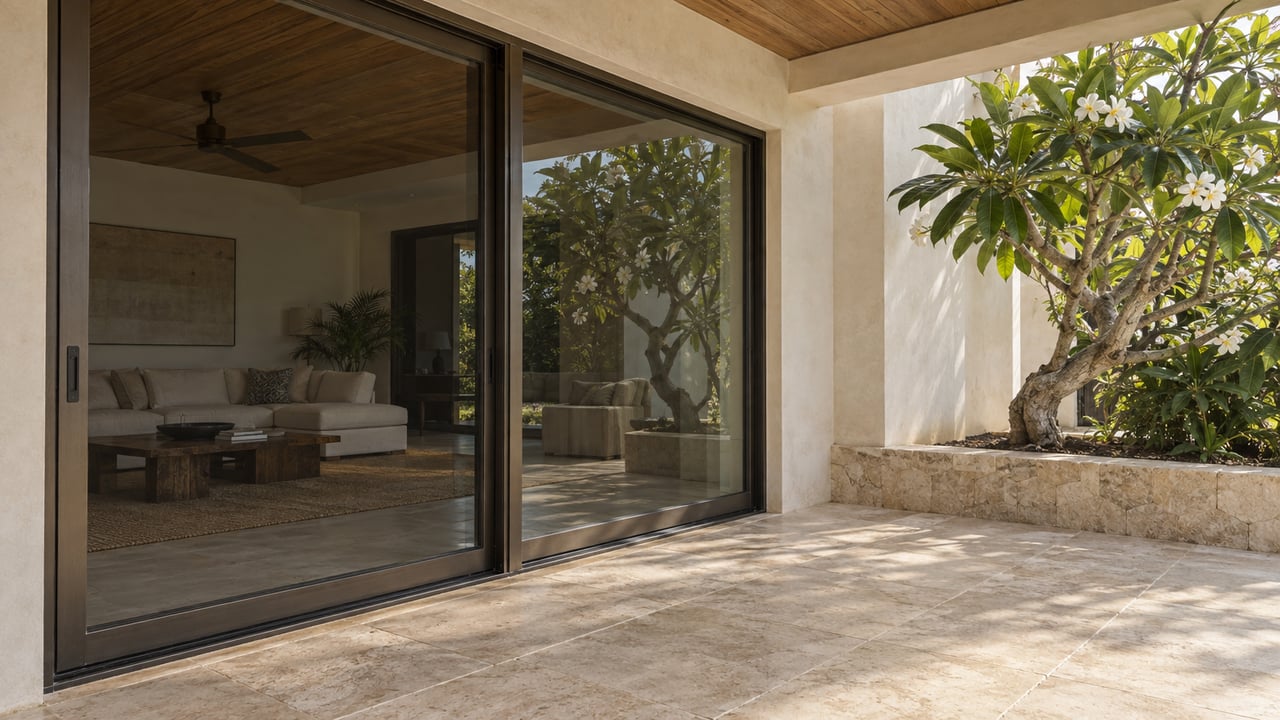
If you plan to list your Kailua-Kona home in the next 90 days, your prep work starts now. In a market where buyers have choices, the homes that stand out are the ones that launch with the right price, strong presentation, and fewer surprises. The good news is that a clear plan can help you protect your time, reduce stress, and put your home in a stronger position before it ever hits the market. Let’s dive in.
Kailua-Kona market conditions now
Kailua-Kona sellers are entering a market that rewards precision. Current local data for ZIP code 96740 shows a median listing price of about $975,000, roughly 402 to 404 homes for sale, and a median 83 days on market. Homes are also selling at about 97% of asking price.
That matters if you want to sell in the next three months. Buyers are still active, but they are negotiating, comparing options, and taking time to decide. That means your launch strategy should focus on realistic pricing and polished presentation, not an aspirational number that sits too long.
At the county level, Hawaiʻi County reported a February 2026 median sales price of $575,000 for single-family homes and $736,500 for condominiums. Those numbers are useful as background, but your best pricing strategy still depends on your neighborhood, property condition, view, amenities, and current competition in Kailua-Kona.
Why the next 90 days matter
A rushed listing often leads to avoidable price reductions, repair negotiations, and slower momentum. If you use the next 90 days well, you can uncover issues early, choose smart updates, gather documents, and launch with more confidence.
This kind of planning is especially important in Kailua-Kona, where presentation and market timing can influence how buyers respond. A broker-led process helps you make decisions in the right order so you are not reacting under pressure after your home is already live.
Days 90 to 60: inspect and prioritize
The first phase is about finding problems before buyers do. A pre-sale home inspection can help surface issues that might later show up during escrow and turn into credits, repairs, or renegotiation.
This is also the time to declutter, deep clean, and start building your repair list. If you know a roof item, appliance issue, or exterior problem may come up, get replacement or repair estimates now. That gives you more control over the decision and the timeline.
In Hawaiʻi, moisture and pests deserve extra attention. University of Hawaiʻi guidance notes that mold is common in the state’s humid climate, and University of Hawaiʻi CTAHR resources identify termites as a major concern for homes across the islands.
For Kailua-Kona sellers, that means your early checklist should include:
- General home inspection
- Moisture review
- Mold review if conditions suggest it
- Termite review
- Exterior condition check
- Curb appeal assessment
- Warranty and manual collection for major systems and appliances
CTAHR also notes that termite swarms commonly occur in May and June on warm, humid, nearly windless nights. If your listing window overlaps late spring or early summer, it is smart to be especially proactive.
Days 60 to 30: make the home market-ready
Once you understand the home’s condition, shift to presentation and paperwork. This is the stage where your home should start looking and functioning like a product that is about to enter the market.
Begin with the basics that consistently help buyer response. Deep cleaning, reducing clutter, clearing countertops, simplifying decor, and improving curb appeal can all make a home feel more spacious and cared for.
Staging can also help. In NAR’s 2025 staging report, 29% of agents said staging increased the dollar value offered by 1% to 10%, and 49% said staging reduced time on market. Buyers’ agents also said staging made it easier for buyers to picture the home as their own.
That does not always mean fully furnishing every room. In many cases, strategic staging means editing what is already there, improving layout flow, and highlighting the spaces buyers care about most, such as the living area, primary bedroom, kitchen, and lanai.
Focus on updates with better resale logic
If you are deciding where to spend money before listing, think targeted refresh, not major remodel. For Pacific-region homes, the 2025 Cost vs. Value report showed especially strong resale recoup for front-of-house and exterior improvements.
Top-performing projects included:
- Garage door replacement
- Manufactured stone veneer
- Steel entry door replacement
- Fiber-cement siding replacement
- Minor kitchen remodel
The same report found that a midrange bath remodel recouped 91%, while large additions performed far worse. A midrange primary suite addition recouped only 32.2%, and an upscale primary suite addition recouped 18.6%.
For a 90-day listing horizon, that supports a simple strategy. Prioritize light, visible improvements that help photos, showings, and first impressions. Skip major construction unless there is a specific issue that truly needs to be addressed.
Smart pre-list upgrades for Kailua-Kona
If you want a practical shortlist, start here:
- Refresh the front entry
- Improve landscaping and trim overgrowth
- Touch up paint where wear is obvious
- Replace worn hardware or light fixtures
- Refinish or refresh cabinets if needed
- Address damaged exterior elements
- Clean windows and brighten indoor-outdoor spaces
- Make lanais, patios, and pool areas feel clean and usable
These changes are often less disruptive than a full remodel, and they support the kind of polished presentation that helps a home show well online and in person.
Days 30 to 0: price, photos, and showing routine
The final month is when your listing strategy comes together. By this point, your repairs should be mostly complete, documents should be organized, and the home should be close to photo-ready condition.
Pricing deserves careful attention here. With Kailua-Kona homes averaging about 97% of asking price and taking a median 83 days to sell, the launch price should come from recent closed sales, current competition, and your home’s actual condition, not from a number chosen months ago.
This is where local market knowledge matters. A well-prepared home can still lose momentum if it enters the market above what buyers are willing to support.
Professional photography is also critical. Buyers often see your home online first, so the condition you maintain for photos should be close to the condition they experience in showings.
If you live in the home, build a simple reset routine before every appointment:
- Make beds
- Clear counters
- Put away personal items
- Open blinds or shades as appropriate
- Remove clutter from floors and surfaces
- Check bathrooms and kitchen one more time
These small steps help your home feel consistent and cared for, even if showings happen with little lead time.
Condo sellers need documents early
If you are listing a condo in Kailua-Kona, document prep is a major part of the timeline. Hawaiʻi’s Department of Commerce and Consumer Affairs says condo transactions involve distinctive disclosure materials, and buyers should review current board minutes, bylaws, budgets, financial statements, house rules, declaration and amendments, insurance summary, reserve study material, and related project documents.
Gathering these items early can help prevent delays after you accept an offer. It also helps buyers evaluate the project more quickly, which can make the transaction smoother.
Tenant-occupied homes need a showing plan
If your property is tenant-occupied, your showing schedule should follow Hawaiʻi rules from the start. Under Hawaiʻi’s Residential Landlord-Tenant Code, tenants must allow reasonable entry for inspections, repairs, and showings to prospective purchasers and tenants. Except in emergencies, landlords must give at least two days’ notice and enter only during reasonable hours.
In practical terms, that means you should not build a listing plan around last-minute access. Instead, set clear showing windows, communicate early, and create a process that respects the notice requirement while still supporting buyer traffic.
Disclosure matters before you list
Hawaiʻi’s Real Estate Branch identifies HRS Chapter 508D as the state’s mandatory seller-disclosure law for residential real estate. The state also notes that the disclosure statement is not a substitute for an expert inspection, professional advice, or a warranty.
That is one more reason pre-list inspections matter. They can help you identify issues before you complete disclosures, answer buyer questions more clearly, and avoid surprises that could affect negotiations later.
A broker-led approach can protect your launch
Selling in Kailua-Kona is not just about getting on the market quickly. It is about entering the market with a strategy that supports your goals and your net proceeds.
That is where experience makes a difference. Lovette Llantos is a Broker-in-Charge and top-producing Big Island real estate professional with more than 20 years of experience. Her approach to seller representation emphasizes market research, strong presentation, and a structured process designed to help your home compete in West Hawaiʻi’s evolving market.
If you are thinking about listing in the next 90 days, now is the right time to build your plan. From pricing and prep to marketing and timing, the right guidance can help you move forward with clarity. Reach out to Lovette Llantos to start preparing your Kailua-Kona home for a smart, confident launch.
FAQs
What is the current real estate market like for Kailua-Kona home sellers?
- Current data for Kailua-Kona ZIP code 96740 shows a median listing price of about $975,000, around 402 to 404 homes for sale, a median 83 days on market, and homes selling at about 97% of asking price.
What should Kailua-Kona homeowners do first before listing in the next 90 days?
- Start with a pre-sale inspection, decluttering, deep cleaning, and repair planning so you can address issues before buyers discover them.
What pre-listing issues matter most for homes in Kailua-Kona, Hawaii?
- Moisture, mold, and termites deserve special attention in Hawaiʻi, along with general maintenance, curb appeal, and overall property condition.
What home improvements make the most sense before listing a Kailua-Kona property?
- Targeted updates such as front entry improvements, curb appeal work, light exterior refreshes, and minor kitchen improvements generally make more sense than major remodels on a short timeline.
What condo documents should Kailua-Kona sellers gather before listing?
- Condo sellers should gather board minutes, bylaws, budgets, financial statements, house rules, declaration materials, insurance summaries, reserve study information, and related project documents early.
What are the showing rules for tenant-occupied homes in Hawaii?
- Hawaiʻi law generally requires at least two days’ notice for entry, except in emergencies, and access must happen during reasonable hours.
What seller disclosure rules apply to residential property in Hawaii?
- Hawaiʻi residential sellers are subject to the state’s mandatory disclosure requirements under HRS Chapter 508D, and those disclosures are not a substitute for inspections or professional advice.