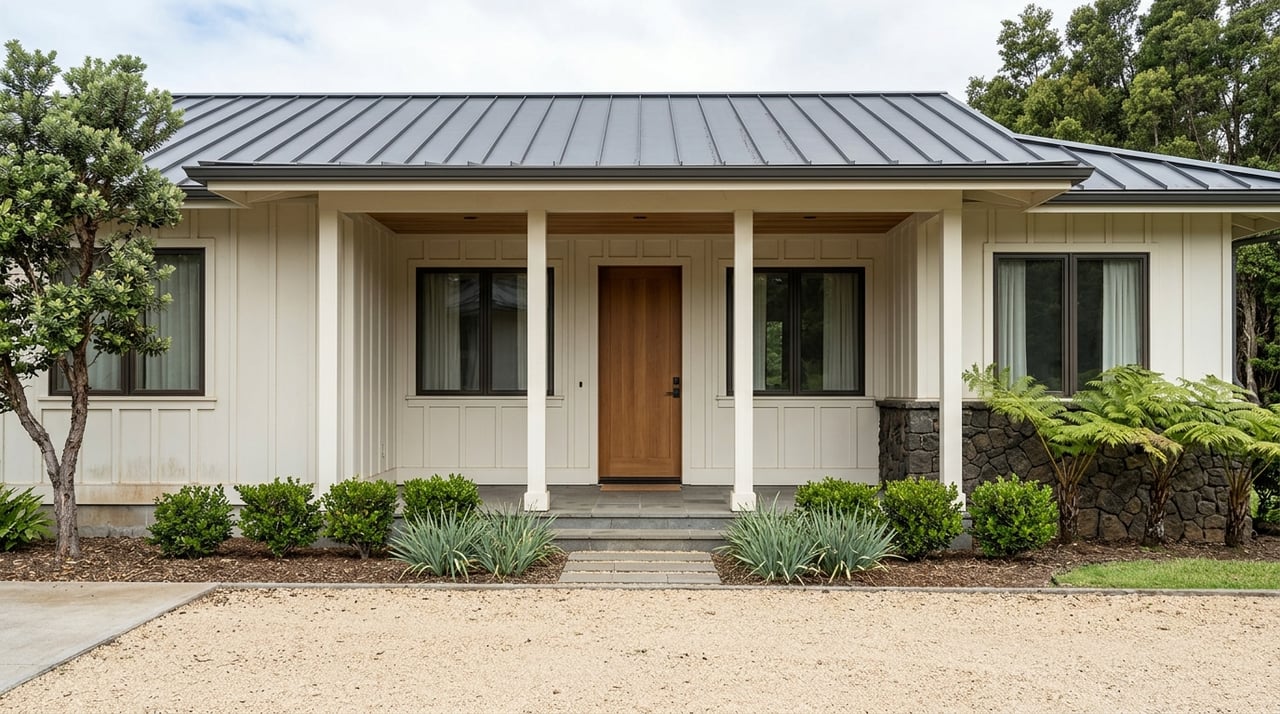
Looking for a Big Island lifestyle that feels cooler, more grounded, and deeply connected to local history? Waimea, also known by the mailing name Kamuela, offers a different pace from the resort coast while still keeping beaches, shopping, and everyday essentials within reach. If you are considering a move, a second home, or a lifestyle change on Hawaiʻi Island, this guide will help you understand what makes Waimea distinct, what kinds of homes you will find, and how daily life here compares with nearby coastal areas. Let’s dive in.
Why Waimea Stands Out
Waimea is a town on Hawaiʻi Island in Hawaiʻi County with a population of 9,904, according to county community profiles. Locally, most people know the town as Waimea, while USPS uses Kamuela for mailing addresses. That small detail often comes up early for buyers, especially if you are relocating from outside the island.
Set between the Kohala Mountains and the slopes of Maunakea at about 2,600 feet in elevation, Waimea has a noticeably cooler climate than many coastal communities. That elevation helps shape the town’s identity and daily comfort. For many buyers, the weather is one of the first reasons Waimea moves to the top of the list.
Upcountry Lifestyle in Waimea
Waimea is often described as an upcountry alternative to the Kohala Coast. You get an inland setting, a strong sense of community, and easier access to ranch lands and open space, without feeling cut off from the west side. Ocean access is still convenient, which gives you flexibility if you want both mountain views and beach days.
The town is also closely tied to Parker Ranch and paniolo culture. Parker Ranch history in Waimea spans more than 175 years, and the area is widely recognized as the heart of Hawaiʻi’s living paniolo heritage. That legacy still shapes the look, feel, and rhythm of the community today.
Daily Life Feels Local
For a town of its size, Waimea offers a broad mix of everyday amenities. Local resources include grocery and drug stores, restaurants, shops, North Hawaiʻi Community Hospital, Kahilu Theatre, and civic spaces that support day-to-day life.
Queens North Hawaiʻi Community Hospital is located in Waimea and provides services that include emergency care, primary care, women’s health, heart care, orthopedics, pediatrics, and rehabilitation. For many buyers, having that level of healthcare nearby adds peace of mind and makes full-time living more practical.
Markets and Community Rhythm
Farmers’ markets are an important part of Waimea life. The Waimea Town Market at Parker School runs every Saturday from 7:30 a.m. to noon, and the Kamuela Farmers Market at Pukalani Stables runs every Saturday from 7:30 a.m. to 1:00 p.m. There is also a Pukalani Midweek Market on Wednesdays.
These markets are more than places to shop. They reflect the area’s local farming base and its paniolo heritage, and they create regular gathering points that bring residents and visitors together. If you value a community rhythm built around local products and face-to-face connections, Waimea delivers that in a very real way.
Arts, Parks, and Everyday Amenities
Waimea balances its ranch-town identity with a strong civic and cultural layer. Kahilu Theatre, located in Waimea, is a multidisciplinary arts center with a 490-seat concert hall, galleries, and community programming. That kind of venue gives the town a cultural depth that many buyers do not expect in a smaller upcountry market.
Parks and community spaces also matter here. Waimea Park, Waimea Church Row Park, and the Waimea Community Center all contribute to local recreation and gathering space. These amenities help support everyday living, from casual outdoor time to organized community activities.
Schools in Waimea
If schools are part of your search, Waimea offers a range of options for a town of this size. Waimea Elementary is the public elementary school in town and serves grades K through 5. Waimea Middle School serves grades 6 through 8 and is Hawaiʻi’s first public conversion charter school.
Private school options are also a significant part of the local education landscape. Hawaiʻi Preparatory Academy serves students from K through 12, plus a postgraduate year, across two Waimea campuses. Parker School is an independent K through 12 day school in Kamuela.
Because Waimea has public, charter, and private options in one area, many relocators compare school access along with home location before deciding where to buy. That does not mean one choice is right for everyone. It means your home search often works best when it is tied to your day-to-day priorities and preferred commute patterns.
Common Home Types in Waimea
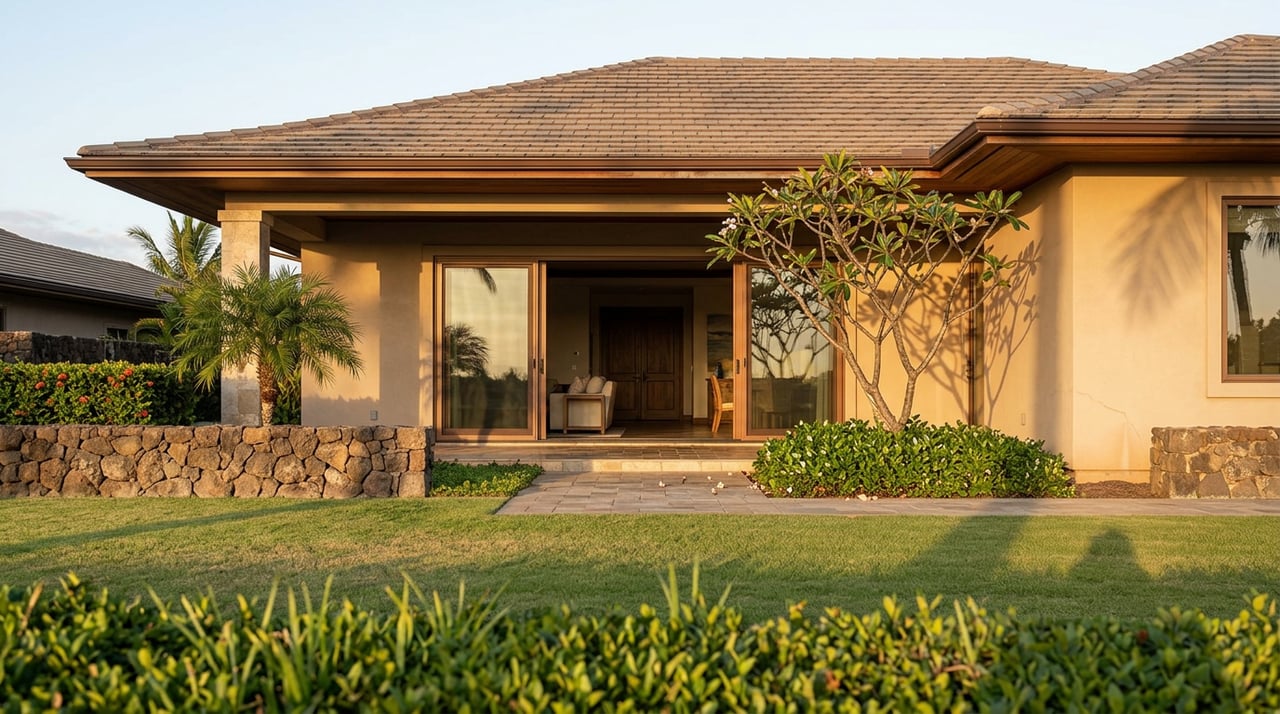
One of the biggest misconceptions about Waimea is that it offers only ranch properties or only large estates. In reality, the housing mix is more varied. The safest way to think about Waimea housing is as a combination of historic ranch-town homes in the core, farm-lot properties, larger-lot rural subdivisions, and newer subdivision homes on the edges of town.
That range gives buyers several lifestyle paths. Some homes are close to the commercial center and everyday services, while others are oriented around land, agricultural use, or a more spacious rural setting. Your ideal fit depends on how much land you want, how close you want to be to town, and how you picture your daily routine.
Farm-Lot and Agricultural Settings
County and planning materials identify Lālāmilo Farm Lots and Puʻukapu Farm Lots as agricultural landscapes. The Waimea Nui Regional Community Development initiative in Puʻukapu also centers on agricultural, equestrian, and recreational uses. These references help explain why so many Waimea-area properties are associated with larger lots and open land.
County research describes Lālāmilo and Puʻukapu as among the island’s productive food-growing lands, with crops that include cabbage, tomatoes, corn, pumpkins, celery, beets, strawberries, and lettuce. For buyers who want a property with a stronger land connection, these settings often feel especially appealing.
Larger-Lot Rural Subdivisions
On the eastern side of Waimea, county planning sources describe larger-lot subdivision patterns. Nearby areas such as Anekona Estates and Kanehoa were originally developed with 5-acre lots, with some later subdivided to 2.5 acres. Other nearby Waimea subdivisions include large-lot patterns ranging from about 2 to 8 acres.
This matters if you are trying to balance privacy, open space, and neighborhood structure. These areas can offer a more rural experience while still functioning as defined residential communities rather than purely agricultural holdings.
A Broader Housing Mix
Waimea’s housing inventory also includes options beyond ranch and estate-style properties. County housing facilities such as Waimea Elderly and Waimea Hawaiian Homes Hall point to a broader residential mix in the area. That is helpful context if you are trying to understand Waimea as a full-time town, not just a lifestyle destination.
Waimea vs the Kohala Coast
Many buyers compare Waimea with the Kohala Coast, and that is a smart place to start. Waimea is best understood as a cooler, inland, community-oriented alternative to oceanfront resort living. If the coast offers more of a beach and resort atmosphere, Waimea offers more of an upcountry town experience with a strong local core.
That does not make one better than the other. It simply means the lifestyle decision is often the real decision. Some buyers want to wake up near golf and ocean views, while others prefer cooler mornings, a deeper sense of town life, and larger-lot opportunities.
Who Tends to Love Waimea
Waimea often appeals to buyers who want:
- Cooler temperatures than the coast
- A town with strong local identity
- Access to healthcare and daily essentials nearby
- A mix of public, charter, and private school options
- Homes with more land or rural character
- A location that still keeps the Kohala Coast within reach
If that sounds like your lifestyle, Waimea may feel like a strong fit.
What to Consider Before You Buy
Before you focus only on price or square footage, think about how you want to live. In Waimea, your experience can vary meaningfully based on elevation, lot size, proximity to town, and whether you want a more residential or more agricultural setting. Those details often shape satisfaction more than the home itself.
It also helps to understand that Waimea is both practical and distinctive. You have schools, healthcare, parks, markets, and arts programming, but you also have a place with deep ranching history and a very specific upcountry identity. For many buyers, that combination is exactly the point.
If you are exploring Waimea or comparing it with other Hawaiʻi Island communities, working with a local advisor can help you narrow in on the right part of the market faster. For tailored guidance on Waimea, Kamuela, Kohala, and nearby lifestyle options, connect with Lovette Llantos.
FAQs
Is Waimea the same place as Kamuela on Hawaiʻi Island?
- Yes. Waimea is the locally recognized town name, while Kamuela is commonly used for mailing addresses through USPS.
What is the elevation of Waimea on Hawaiʻi Island?
- Waimea sits at about 2,600 feet above sea level, which helps make it cooler than many coastal communities on the island.
What types of homes are common in Waimea?
- Common housing patterns include historic ranch-town homes, farm-lot properties, larger-lot rural subdivisions, and newer subdivision homes on the growth edge of town.
What schools are available in Waimea?
- Waimea includes Waimea Elementary, Waimea Middle School, Hawaiʻi Preparatory Academy, and Parker School, giving buyers a mix of public, charter, and private school options to consider.
How does Waimea differ from the Kohala Coast?
- Waimea offers a cooler, inland, community-oriented setting, while the Kohala Coast is more closely associated with oceanfront and resort-style living.
What amenities support daily life in Waimea?
- Waimea offers grocery and drug stores, dining, shops, healthcare at Queens North Hawaiʻi Community Hospital, parks, community facilities, farmers’ markets, and arts programming at Kahilu Theatre.