Is a Waikoloa Beach Resort condo the right fit for your lifestyle and investment goals? If you love ocean access, golf, and easy walkability to dining and shopping, this resort community checks all the boxes. With the right unit and a clear plan, you can enjoy personal use while capturing vacation rental income. In this guide, you’ll learn where short‑term rentals are allowed, what it costs to operate, how demand looks, and the steps to vet a condo with confidence. Let’s dive in.
Why Waikoloa Beach Resort stands out
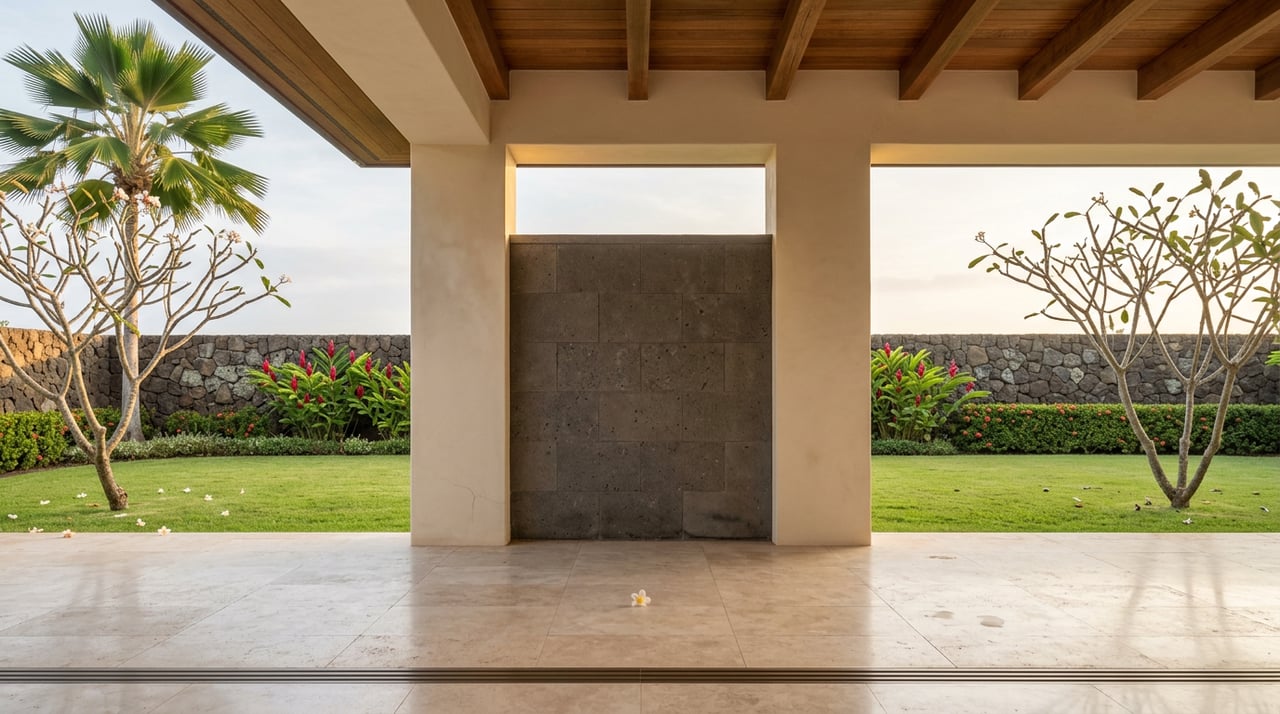
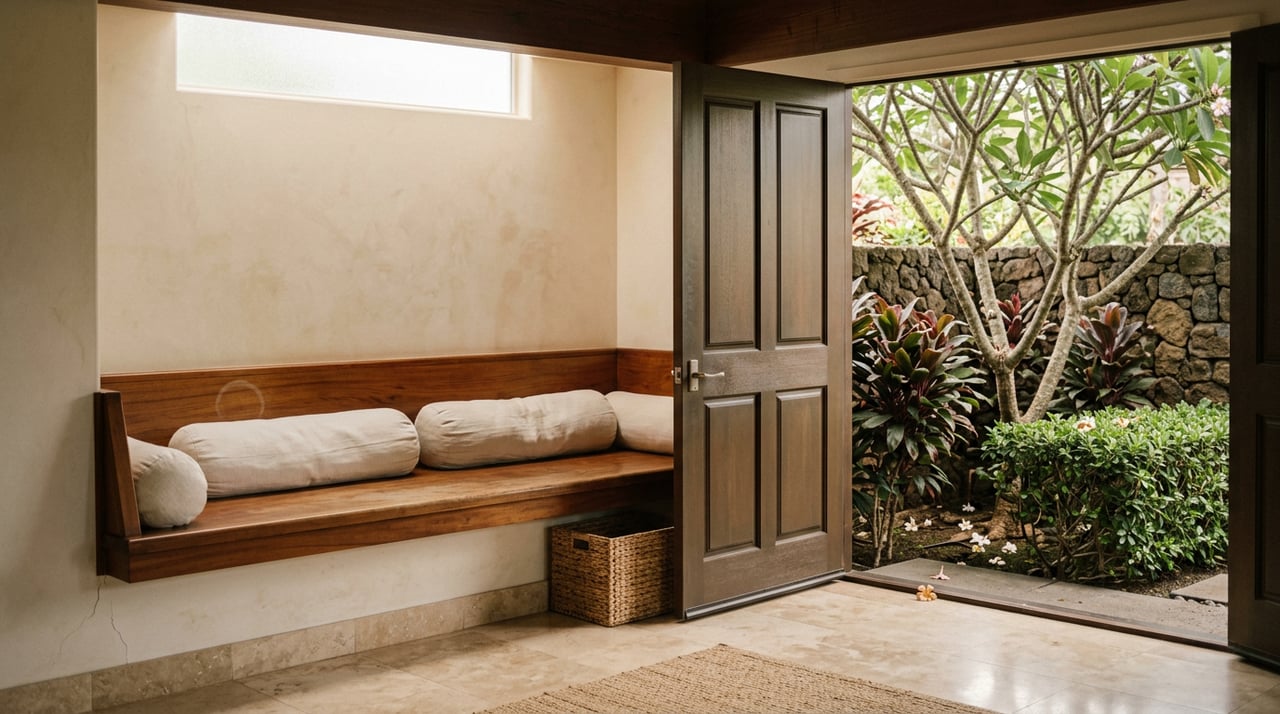
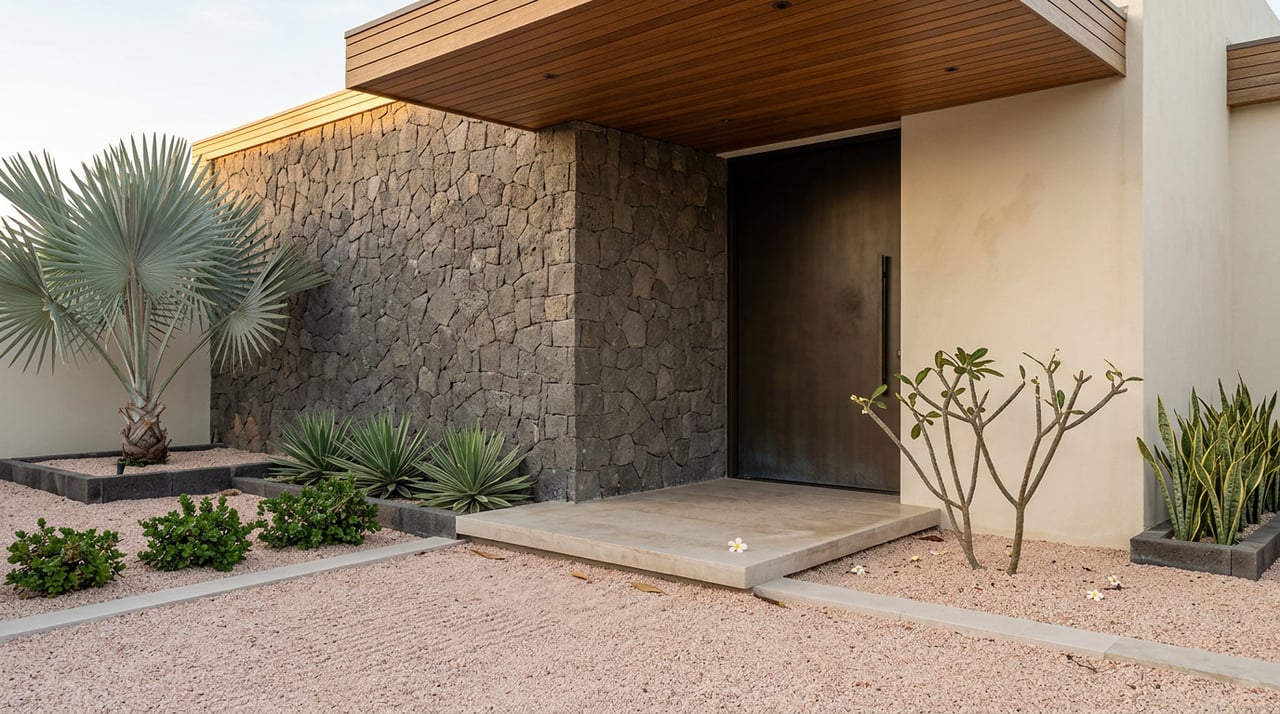
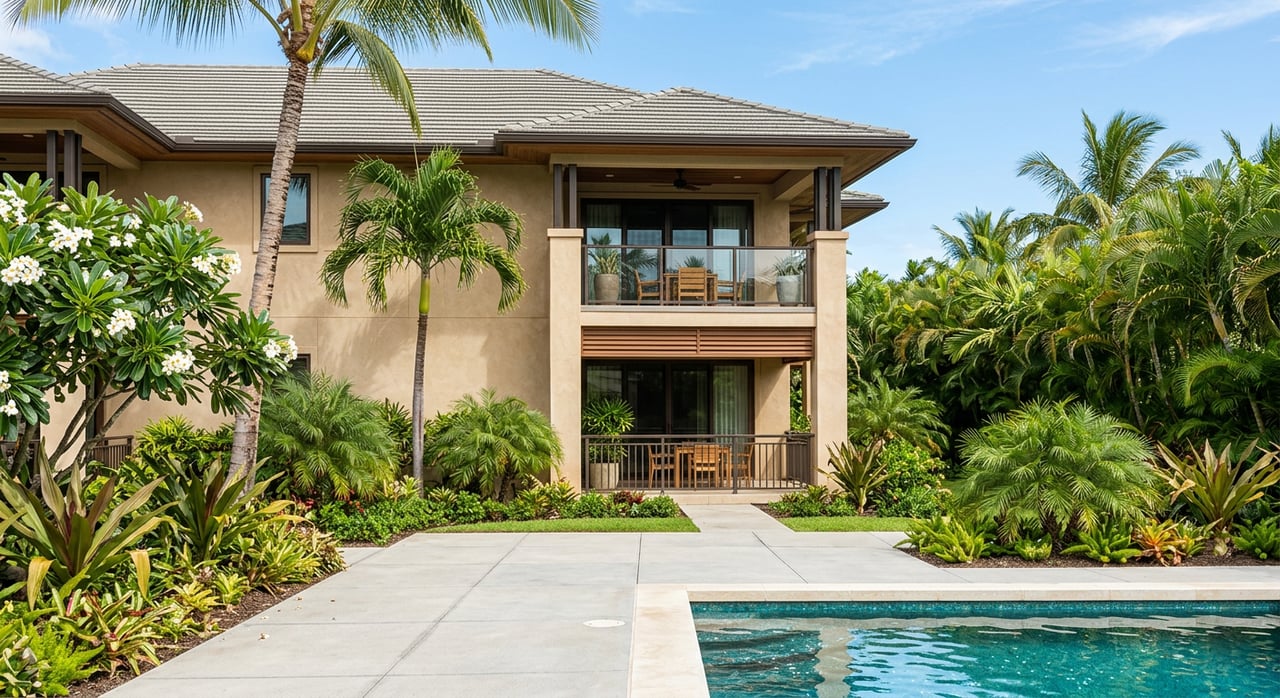
Waikoloa Beach Resort sits on Hawaiʻi Island’s Kohala Coast and offers a cluster of oceanfront and golf‑front condo communities with 1 to 3+ bedroom floor plans. Many are designed for vacation living and are commonly offered as short‑term rentals. Notable options include Kolea, Haliʻi Kai, Waikoloa Colony Villas, Waikoloa Beach Villas, Fairway Villas, and The Shores.
What draws buyers here is simple: you get access to Anaehoʻomalu Bay’s calm waters, two resort golf courses, and popular shopping and dining hubs like Queens’ Marketplace and Kings’ Shops. With amenities such as the Kolea Beach Club and the Haliʻi Kai Ocean Club, well‑positioned condos can command premium nightly rates in peak seasons.
Short‑term rental rules you must know
Hawaiʻi County’s Short‑Term Vacation Rental ordinance (Bill 108 / Ordinance 2018‑114) sets the ground rules. In plain terms, short‑term rentals are permitted in specific zones, including V (Resort), CG (General Commercial), and CV (Village Commercial), as well as certain residential or commercial districts located within designated Resort or Resort Node areas. Multifamily units within a condominium property regime (Chapters 514A/514B) may also qualify. For official guidance and current forms, start with the County’s Short‑Term Vacation Rentals hub and the full STVR ordinance and Rule 23 PDF.
Here’s what that means for you in Waikoloa Beach Resort:
- Most resort‑area condominiums sit in zones where STVRs are allowed, but you must verify the zoning and eligibility for the specific parcel/TMK.
- Association rules still control. Private covenants, AOAO bylaws, or house rules can limit or prohibit short‑term rentals even when county zoning allows them.
- If you plan to operate, registration with the County may be required. Pre‑existing rentals outside allowed zones needed a Nonconforming Use Certificate that must be renewed annually.
Operational standards to plan for
The County requires a local “reachable person” who lives in Hawaiʻi County and can respond by phone within one hour and be physically present at the property within three hours when requested. You must also:
- Display the STVR registration or NUC number in all advertising and inside the unit.
- Post a Good‑Neighbor policy, including quiet hours and parking rules.
- Follow off‑street parking standards.
Failure to comply can lead to enforcement actions and fines. Review the details in the County’s STVR hub and the ordinance before you buy.
Taxes and registrations to budget for
Short‑term rental operators must register with the Hawaiʻi Department of Taxation for both the Transient Accommodations Tax (TAT) and the General Excise Tax (GET). The Department’s rental property page provides current forms and filing guidance. Visit the state’s Renting Residential Real Property / TAT guidance to confirm what applies to your situation.
Key point to note: beginning January 1, 2026, state legislation raises the state TAT to 11.00%. Counties may also add a local TAT surcharge. GET applies at the base state rate with any county surcharge. Make sure your pricing model reflects these taxes and that you display the required TAT ID in your listings.
Property tax class matters for returns
Hawaiʻi County assigns tax classes such as Residential, Apartment, Commercial, and Hotel/Resort. Properties operated as lodging can be reclassified into a higher‑rate category, which may increase annual property taxes. Before you close, confirm the parcel’s current class and discuss how STVR use could affect it with the County’s Real Property Tax Office. Review current per‑$1,000 rates by class on the County’s public reference at Hawaiʻi County tax rates.
Operating costs: HOA and beyond
Association fees in Waikoloa Beach Resort vary by complex and unit size. Many resort condos show monthly AOAO fees in the high‑hundreds to low‑thousands. For example, public listings for Haliʻi Kai often show a range around 1,100 to 1,600 dollars per month, depending on plan and inclusions. Some premium communities such as Kolea may also have separate beach club or owner‑club fees.
Beyond HOA dues, build a budget for:
- Property management or an on‑island manager who fulfills the County’s reachable person requirement
- Housekeeping and linens between stays
- Utilities and internet
- Insurance with short‑term rental endorsements and appropriate liability limits
- Marketing and platform commissions
- Repairs, reserves, and capital replacements
What drives demand in Waikoloa
Guests choose Waikoloa for lifestyle and convenience:
- Calm water activities and snorkeling at Anaehoʻomalu Bay
- Two resort golf courses and access programs such as the Waikoloa Kings’ Club
- Walkability to dining and shopping at Queens’ Marketplace and Kings’ Shops
- Ocean‑club amenities in select communities and central access to broader island adventures
These features help top‑quality condos achieve premium nightly rates, especially in peak travel periods.
Performance signals: ADR and occupancy
Aggregated short‑term rental snapshots for Waikoloa and nearby resort nodes show average daily rates in the several‑hundred‑dollars range and marketwide occupancy around 40 to 55 percent. Strong beachfront units and well‑managed listings can materially outperform these averages. To set realistic expectations for a particular condo, use paid data tools or local manager reports. You can review a public market snapshot that includes Waikoloa via this STR market summary, then refine with unit‑specific data before you buy.
Picking your condo: how to compare
Every complex balances location, amenities, HOA structure, and design. As you shortlist communities like Kolea, Haliʻi Kai, Waikoloa Colony Villas, Waikoloa Beach Villas, Fairway Villas, and The Shores, compare:
- Proximity to A‑Bay and beach access points
- Access to golf or owner programs and fitness or ocean‑club amenities
- HOA fee levels and what they include
- On‑site parking, storage, and guest access procedures
- Historical rental calendars and guest reviews for similar floor plans
A unit’s position within the complex matters too. View lines, exposure, noise, and walk times to the pool or beach can all influence booking pace and guest satisfaction.
Pro forma basics: model conservatively
Run several revenue scenarios using a blend of average and shoulder‑season assumptions. Consider:
- Nightly rates anchored to your unit’s true competitive set, not only market averages
- Occupancy that reflects seasonality and your management strategy
- All owner use months and blocked dates
- Complete operating costs, including HOA, cleaning, management, insurance, utilities, and platform fees
- Taxes: GET and TAT, including the state TAT change to 11% effective January 1, 2026, and any county surcharges
Use third‑party data to validate your figures and ask the seller for booking ledgers when available.
Due‑diligence checklist for Waikoloa buyers
Use this step‑by‑step to protect your upside and avoid surprises:
Confirm zoning and STVR eligibility. Request a zoning verification and read the County’s STVR guidance and forms. If the unit operates today, verify the registration or NUC and renewal status.
Read the AOAO documents. Review CC&Rs, bylaws, house rules, and meeting minutes for rental policies, minimum‑stay rules, guest parking, quiet hours, and insurance requirements. The County’s ordinance PDF clarifies that private covenants prevail.
Evaluate financials. Ask for the AOAO budget, reserve study, and master insurance summary. Compare HOA fees across similar buildings and confirm what utilities or club access are included.
Register for taxes. Set up GET and TAT accounts with the state and confirm filing frequency and display rules using the Department of Taxation rental page. Model the state TAT increase on Jan 1, 2026.
Size your insurance. Get quotes for short‑term rental endorsements and appropriate liability limits. Confirm how your AOAO’s master policy interacts with your unit policy and any hurricane or flood coverage considerations.
Build your operating plan. Identify your on‑island reachable person or manager who can respond within one hour and arrive within three hours when requested. Budget for 24/7 guest support, cleanings, and preventative maintenance.
Model revenue with data. Use paid tools or a local manager’s reports for ADR and occupancy benchmarks. Start with a public snapshot such as this STR market summary, then refine to your unit’s specifics.
Confirm property tax class. Check the parcel’s current classification and discuss how STVR operation could alter it with the Real Property Tax Office. Use the public Hawaiʻi County tax rates page to understand sensitivity.
Plan the transfer. If you buy a unit with an active rental registration, follow the County’s change‑of‑information process and allow time for any AOAO approvals.
Your next step
If Waikoloa Beach Resort aligns with your lifestyle and investment goals, the right guidance will help you choose a condo that guests love and numbers support. From zoning and AOAO reviews to offer strategy and escrow, you deserve a seasoned advisor who combines local insight with luxury‑level service. Ready to explore your options? Connect with Lovette Llantos for a thoughtful, data‑informed game plan.
FAQs
Are short‑term vacation rentals allowed in Waikoloa Beach Resort?
- Yes, many resort‑area condos are in zones where STVRs are permitted, but you must verify zoning for the specific parcel and confirm AOAO rules, which can allow, restrict, or prohibit rentals. See the County’s STVR hub.
What taxes apply to a Hawaiʻi Island vacation rental?
- Operators must register for GET and TAT with the state, file returns, and display the TAT ID in advertising; the state TAT increases to 11% on January 1, 2026, and counties may add a surcharge. Start with the Department of Taxation rental page.
How much are Waikoloa condo HOA fees?
- Fees vary by complex and unit size; many resort condos run from the high‑hundreds to low‑thousands per month, with some like Haliʻi Kai often published around 1,100 to 1,600 dollars per month on sample listings. Always verify with the AOAO budget.
How do Waikoloa rentals typically perform?
- Aggregated snapshots show ADRs in the several‑hundred‑dollars range and occupancy around 40 to 55 percent for the resort node, with top units outperforming. Review a public STR market summary and get unit‑level data before you buy.
Do I need an on‑island contact to legally operate?
- Yes. The County requires a reachable person who lives in Hawaiʻi County, can answer calls within one hour, and be at the property within three hours when requested. See the STVR ordinance.
Can an HOA override county rules and block short‑term rentals?
- Yes. Private covenants, bylaws, and house rules can limit or prohibit STVRs even when zoning allows them, so always review AOAO documents and minutes during due diligence.