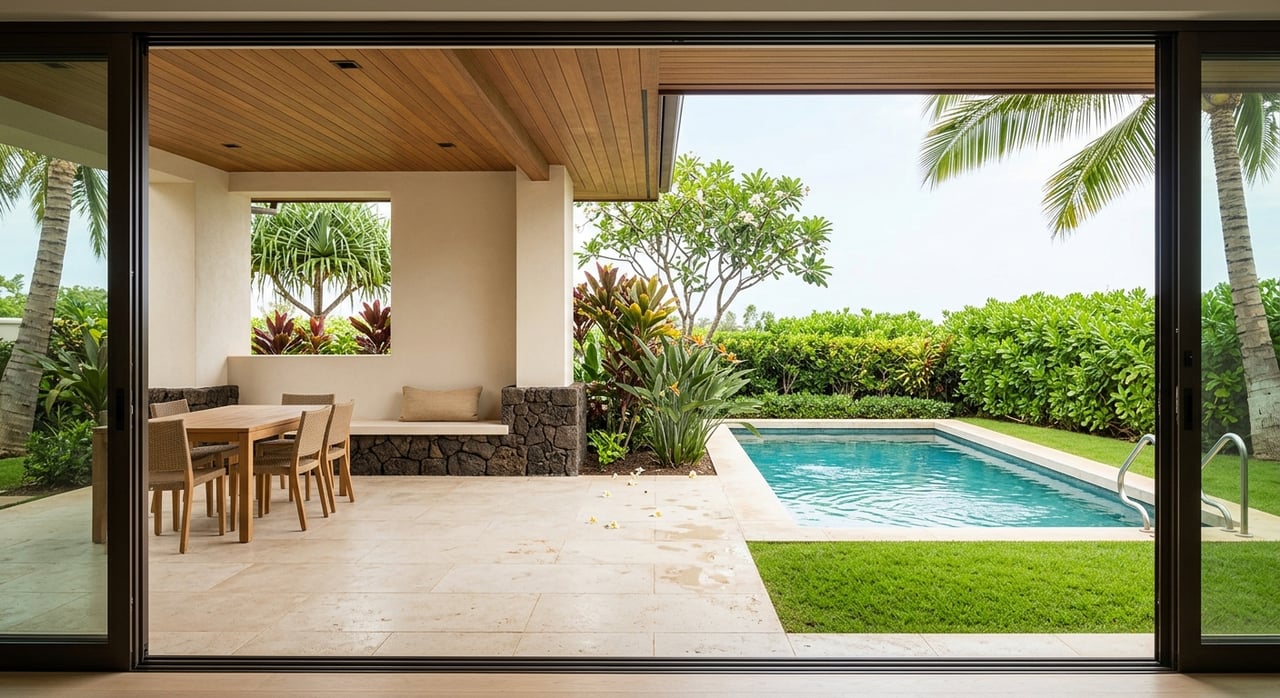
Trying to choose between Mauna Kea and Mauna Lani can feel surprisingly hard, especially if you already know you want resort living on the Kohala Coast. Both offer ocean access, golf, and polished amenities, but they deliver very different day-to-day experiences. If you are comparing lifestyle, ownership structure, and overall fit near Kukio and across Hawaiʻi Island’s luxury resort market, this guide will help you sort out which community may suit you best. Let’s dive in.
Kohala Coast Overview
Both Mauna Kea Resort and Mauna Lani Resort sit along the Kohala Coast, which the Kohala Coast Resort Association describes as four self-contained, master-planned resorts spread across a 20-mile stretch of coastline. That larger setting matters because buyers are not just choosing a home. You are also choosing a resort ecosystem, access style, and daily rhythm.
Mauna Lani spans 3,200 acres and includes 17 completed residential communities, with a few additional parcels still in future planning or partial construction stages. Mauna Kea’s public-facing residential footprint is smaller, covering 1,839 acres across the Mauna Kea Beach Hotel, The Westin Hapuna Beach Resort, and Mauna Kea Residences. In simple terms, Mauna Lani feels broader and more varied, while Mauna Kea feels more selective and boutique.
Both resorts have also seen major reinvestment. Mauna Kea Beach Hotel announced that its $180+ million transformation was fully open in 2026, while Mauna Lani’s official materials say its resort-wide reimagining was completed in January 2020. That means buyers at either resort are looking at communities that have already benefited from significant upgrades.
Beach Experience Compared
Mauna Kea Beach Setting
If your vision of Hawaiʻi includes an iconic white-sand beach, Mauna Kea usually stands out first. The resort highlights two distinct beach environments: crescent-shaped Kaunaʻoa Bay and Hāpuna, which it describes as the island’s largest white-sand beach. For many buyers, that beach identity is one of Mauna Kea’s biggest draws.
The Mauna Kea beach and pool amenities also support a classic resort lifestyle. You have access to snorkeling gear, paddleboards, kayaks, and body boards through the Beach Club, plus tennis and pickleball at the Seaside Racquet Club. If you want a resort anchored by sand, surf, and a recognizable beachfront atmosphere, Mauna Kea has a strong case.
Mauna Lani Beach Club Feel
Mauna Lani offers a different kind of beach experience. According to Auberge Resorts, the Mauna Lani Beach Club sits on one of the island’s most swimmable coves and connects to the Great Lawn and Surf Shack. That gives the shoreline a more programmed, club-like feel rather than a pure iconic-beach identity.
The resort leans heavily into activities such as snorkeling, stand-up paddling, canoe outings, whale watching, and beach games. The Mauna Lani Resort Association also identifies public shoreline access points including Holoholokai Beach Park, Historic Preserve Public Park, and 49 Black Sand Beach subdivision. If you prefer an active beach day with multiple ways to use the shoreline, Mauna Lani may feel more versatile.
Golf and Recreation
Golf is a major strength at both resorts, but the experience is not exactly the same.
Mauna Kea offers two 18-hole championship courses: the Mauna Kea Golf Course and Hapuna Golf Course. The resort’s golf overview notes that the original Mauna Kea course was designed by Robert Trent Jones Sr., while Hapuna was designed by Arnold Palmer and Ed Seay. That pairing adds to the resort’s classic and legacy-oriented appeal.
Mauna Lani also offers two 18-hole courses, South and North, plus the 9-hole Wikiwiki course designed for a shorter round. For some buyers, that extra flexibility is a real advantage, especially if you want more casual golf options built into your week. It supports the idea that Mauna Lani is set up for a more day-to-day, all-ages resort routine.
Everyday Amenities and Lifestyle
Why Mauna Lani Feels More Self-Contained
One of Mauna Lani’s biggest advantages is amenity density. The resort highlights a 34-acre oceanfront site, private beach club, 36 holes of championship golf, fitness offerings, and racquet sports. The Mauna Lani Resort Association adds that the Sports & Fitness Club includes 6 tennis courts, a 25-meter lap pool, retail, exercise rooms, and steam rooms.
That kind of setup can matter if you plan to spend long stretches on island or want a resort that feels easier to live in full-time or seasonally. You have more built-in variety for workouts, recreation, and social routines without leaving the community. For buyers comparing convenience and daily functionality, Mauna Lani often comes out ahead.
Why Mauna Kea Feels More Boutique
Mauna Kea’s appeal is often less about volume and more about atmosphere. Its recently refreshed hotel, two major beach settings, and smaller residential mix create a more curated feel. Instead of a broad, highly layered resort village, the experience can feel more focused around a classic luxury identity.
That difference is subtle but important. If you are looking for a property that feels tied to a long-established beach resort with a more limited residential footprint, Mauna Kea may align better with your goals. Many buyers are drawn to that sense of scarcity and resort cachet.
Housing Options and Ownership Structure
Mauna Lani Offers More Choice
Mauna Lani has the broader housing menu by a wide margin. The Mauna Lani Resort Association’s residential community list shows 17 completed neighborhoods, including a mix of single-family homes, condos, and other residential formats. Communities range from 49 Black Sand Beach and Pauoa Beach to condo-oriented options such as Mauna Lani Point, Ka Milo, Kulalani, and The Fairways.
That variety gives you more ways to match your priorities. You may want more privacy, a lock-and-leave condo, a detached home, or a middle-ground option with resort access and lower maintenance. Mauna Lani simply gives you more combinations to consider.
Mauna Kea Feels More Segmented
Mauna Kea’s public residences page presents a smaller collection of enclaves, including Kaunaʻoa, Hapuna Beach Residences, Waiʻulaʻula, Kumulani, Amaui Villas, and several others. The Mauna Kea residences information points to a more parcel-by-parcel setup across the resort’s residential neighborhoods.
The public information also suggests that ownership and access may be more segmented from one enclave to another. That is not necessarily a drawback. For some buyers, it reinforces the feeling of a smaller, more exclusive residential environment.
HOA and Club Access Differences
This is one of the biggest practical differences between the two resorts.
At Mauna Lani, the master association structure is very clear. All property owners within the master-plan area automatically become members, pay monthly maintenance assessments, and share responsibility for common areas such as roadways, the Beach Club, trails, preserve areas, and the Fishpond Complex. The resort is described as an open resort with gated residential enclaves plus members-only amenities.
Mauna Kea appears to use a more layered model. Mauna Kea Residences notes that owners can enroll in rental or homecare programs, and The Club at Mauna Kea offers annual access to resort amenities at both hotels for homeowners and kamaʻaina. In practice, that can mean buyers need to look more closely at the specific property, community documents, and access options attached to the home they are considering.
Which Resort Has More Inventory?
Based on the research available, Mauna Lani generally appears to offer a deeper pool of housing options, especially in the condo segment. That aligns with its larger acreage and much broader list of completed neighborhoods. More product types usually means more flexibility when you are comparing price points, maintenance levels, and ownership styles.
Mauna Kea, by contrast, reads more like a trophy-asset market with a smaller supply profile. The research report notes recent market commentary pointing to strong pricing at the upper end and a resort identity tied to scarcity, though those outside market reports should be viewed as directional context rather than direct sources for this article. For many buyers, that reinforces the idea that Mauna Kea can be harder to enter but potentially more aligned with a legacy-style purchase.
Best Fit by Buyer Goal
Choose Mauna Kea If You Want
- A stronger iconic-beach identity
- A classic resort atmosphere
- A smaller, more boutique residential mix
- A community centered around scarcity and established cachet
- A luxury purchase that feels more legacy-oriented
Choose Mauna Lani If You Want
- More neighborhoods and housing types to compare
- A clearer master-association structure
- More day-to-day amenity density
- A more self-contained resort lifestyle
- Greater flexibility across ownership styles and routines
Final Take
If you are deciding between Mauna Kea and Mauna Lani, the best choice usually comes down to how you want resort living to feel. Mauna Kea tends to win on iconic beach identity, classic luxury atmosphere, and a more boutique profile. Mauna Lani usually wins on breadth of options, HOA clarity, and a fuller day-to-day lifestyle ecosystem.
The right fit is not just about the resort name. It is about how you plan to use the property, how much structure you want around ownership, and what kind of experience you want each time you arrive on the Kohala Coast. If you want help comparing specific communities, condos, or homes in Mauna Kea, Mauna Lani, Kukio, or the wider Kohala Coast, connect with Lovette Llantos for thoughtful, high-touch guidance tailored to your goals.
FAQs
Which Kohala Coast resort has the better beach experience, Mauna Kea or Mauna Lani?
- Mauna Kea is generally better known for its iconic white-sand beach identity, while Mauna Lani offers a more club-oriented and activity-focused beach experience.
Which Kohala Coast resort offers more housing choices, Mauna Kea or Mauna Lani?
- Mauna Lani offers more housing variety, with 17 completed residential communities that include single-family homes, condos, and mixed residential options.
Which Kohala Coast resort has a clearer HOA structure, Mauna Kea or Mauna Lani?
- Mauna Lani has the clearer public-facing master-association model, while Mauna Kea appears to operate with a more segmented, community-by-community structure.
Which Kohala Coast resort is better for everyday resort living, Mauna Kea or Mauna Lani?
- Mauna Lani often feels better suited for everyday resort living because of its broader amenity base, fitness options, beach club programming, and larger residential ecosystem.
Which Kohala Coast resort feels more exclusive, Mauna Kea or Mauna Lani?
- Mauna Kea typically feels more boutique and exclusive because of its smaller residential footprint, strong beach identity, and classic luxury resort positioning.